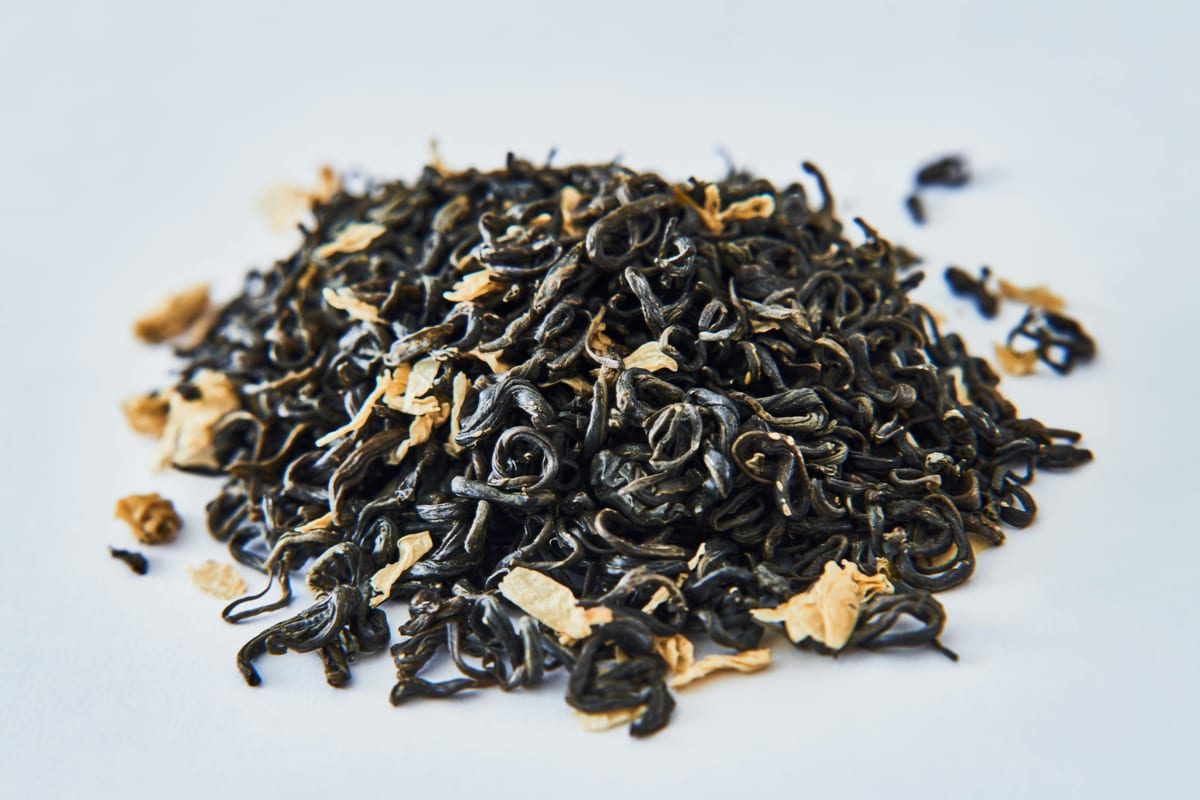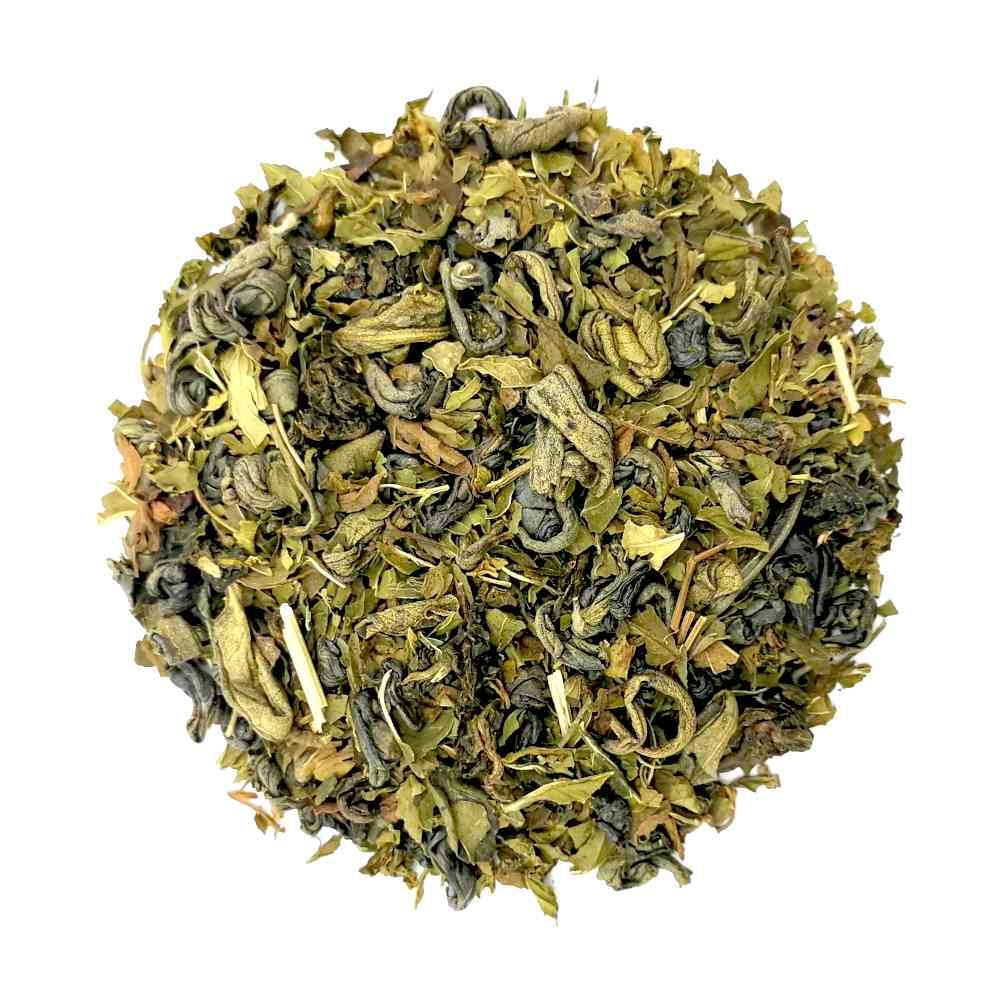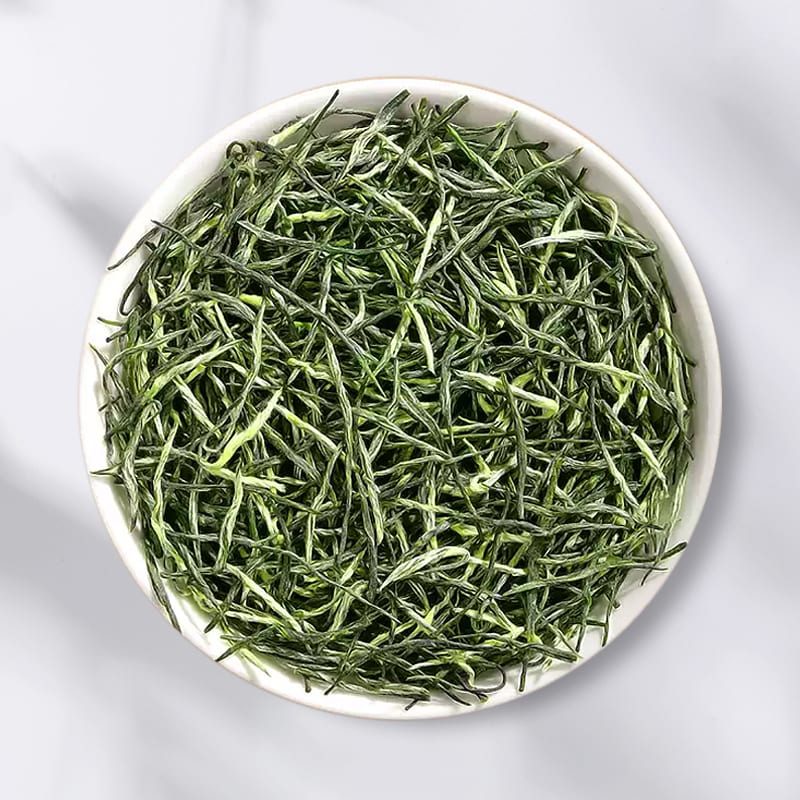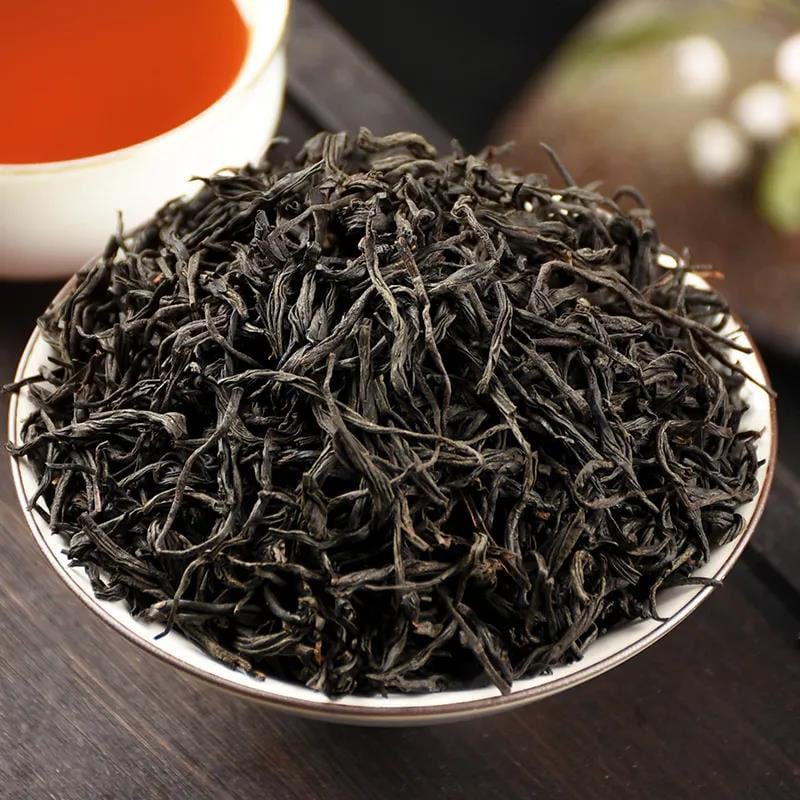
Dark Tea
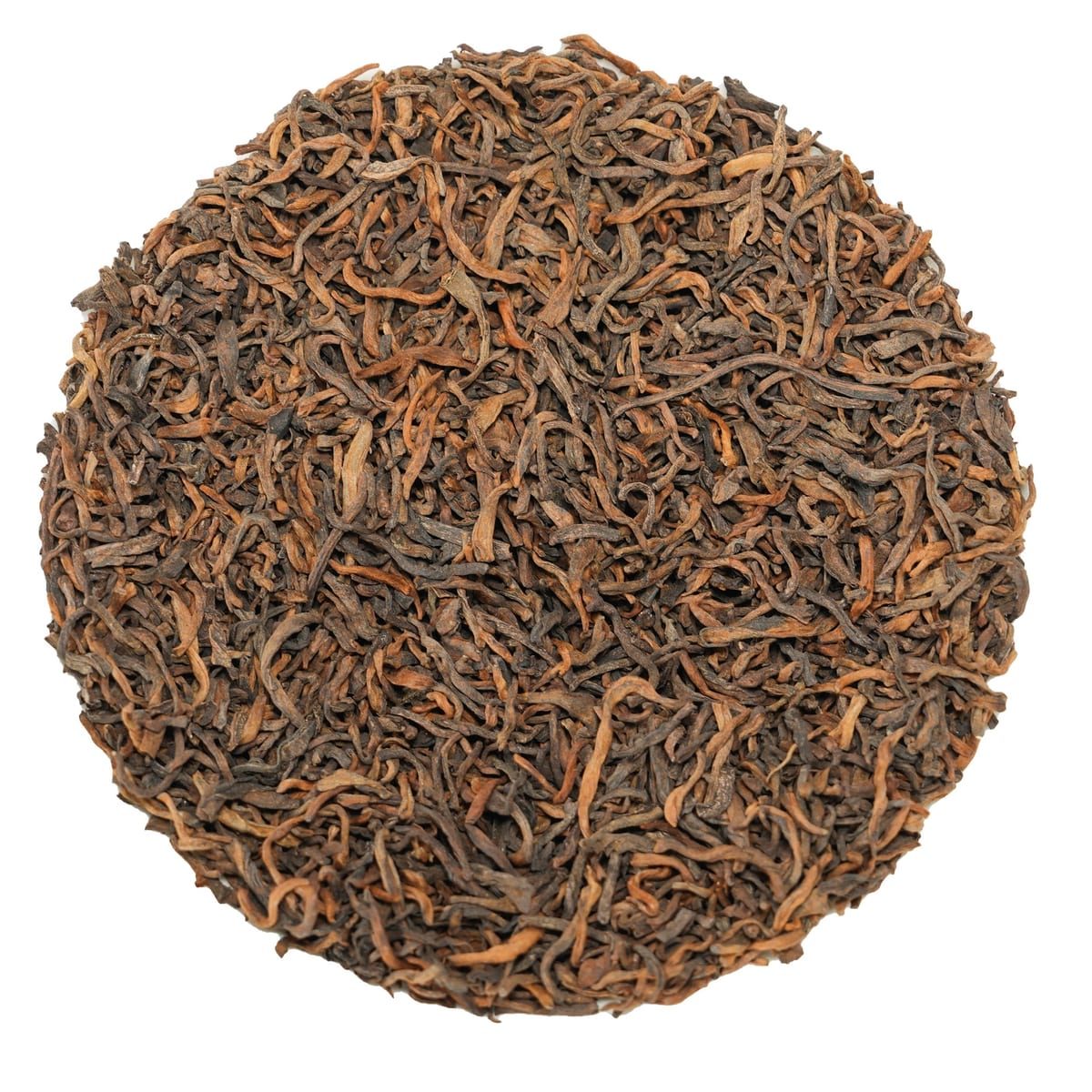
A post-fermented dark tea from Yunnan province — earthy, smooth and deeply complex. Aged through controlled microbial fermentation that develops rich, woody notes with a clean finish. A distinctive choice for after-dinner service.
About Dark Tea
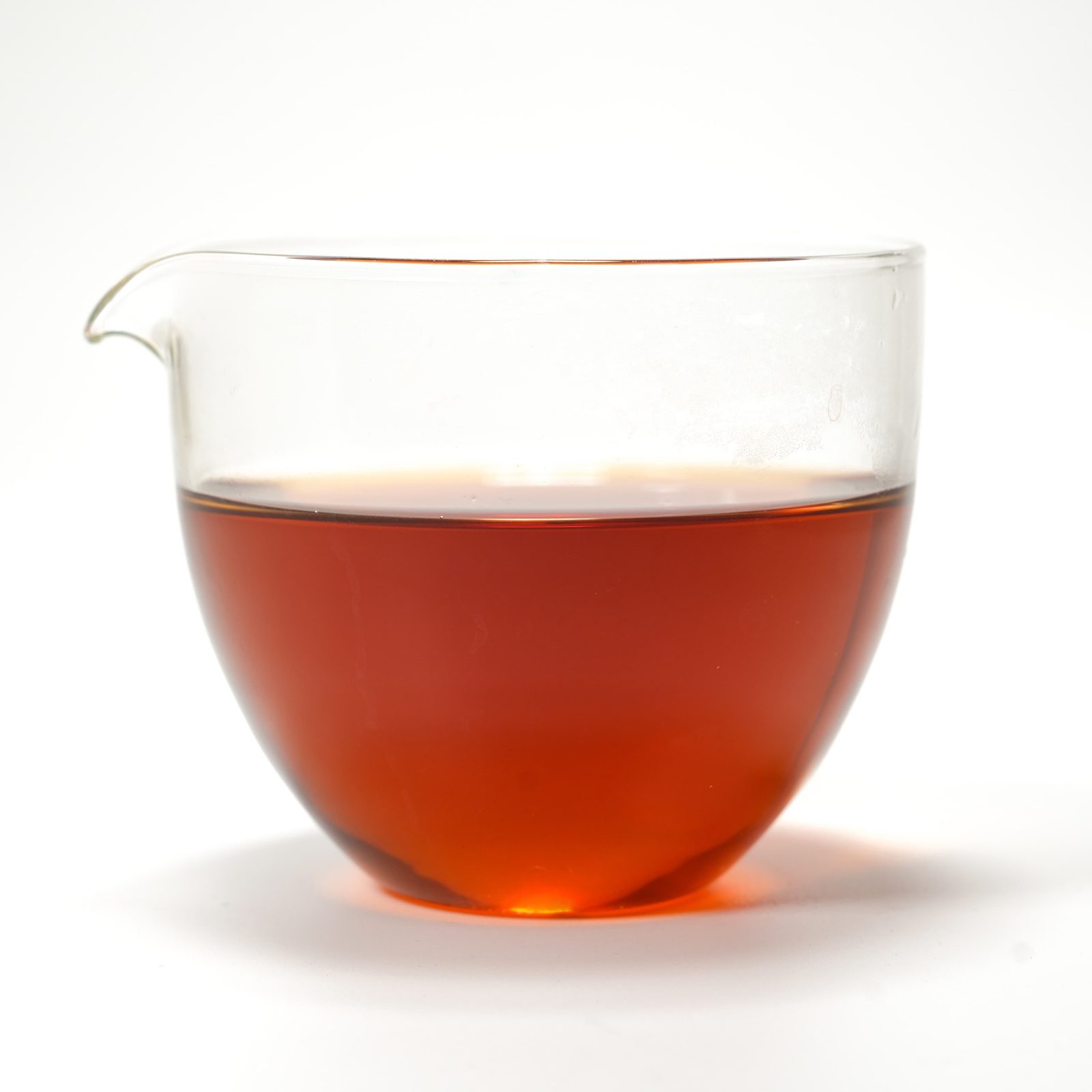
Dark tea is the only tea category that improves with age — the only one deliberately fermented by microbial activity, and the only one that produces a flavour profile coffee drinkers recognise as familiar. Our dark tea is a cooked (shou) pu-erh from Yunnan, developed through wet-pile fermentation to produce deep earthy character without the decades of raw pu-erh aging. It brews dark amber to near-black, with notes of earth, dry wood and a clean rounded finish containing none of the bitterness of green or black tea.
The Coffee Drinker's Gateway to Tea
No other tea converts coffee drinkers as effectively as dark tea. The depth of the liquor, the earthiness of the flavour and the absence of bitterness produce a cup that coffee drinkers describe as vaguely familiar — not coffee, but occupying the same register of intensity and richness. For cafes with a coffee-oriented customer base, dark tea is a genuine cross-over opportunity: a premium tea that does not ask a coffee drinker to change their palate, only to extend it. Position it as an after-meal digestive option — this is where it converts most reliably.
Fermentation and Digestive Associations
Shou pu-erh undergoes a wet-pile fermentation process (wodui) in which moistened leaf is fermented under warm conditions for 45–60 days, accelerating the microbial transformation that would otherwise take decades. This fermentation produces complex compounds associated in Chinese wellness tradition with digestive support and gut comfort — associations well-established enough to carry on a menu description without sounding medicinal. Positioned as an after-meal digestive tea, dark tea fills a gap in the menu that no other product occupies: dark, serious, functional and interesting.
The Easiest Tea to Brew Consistently
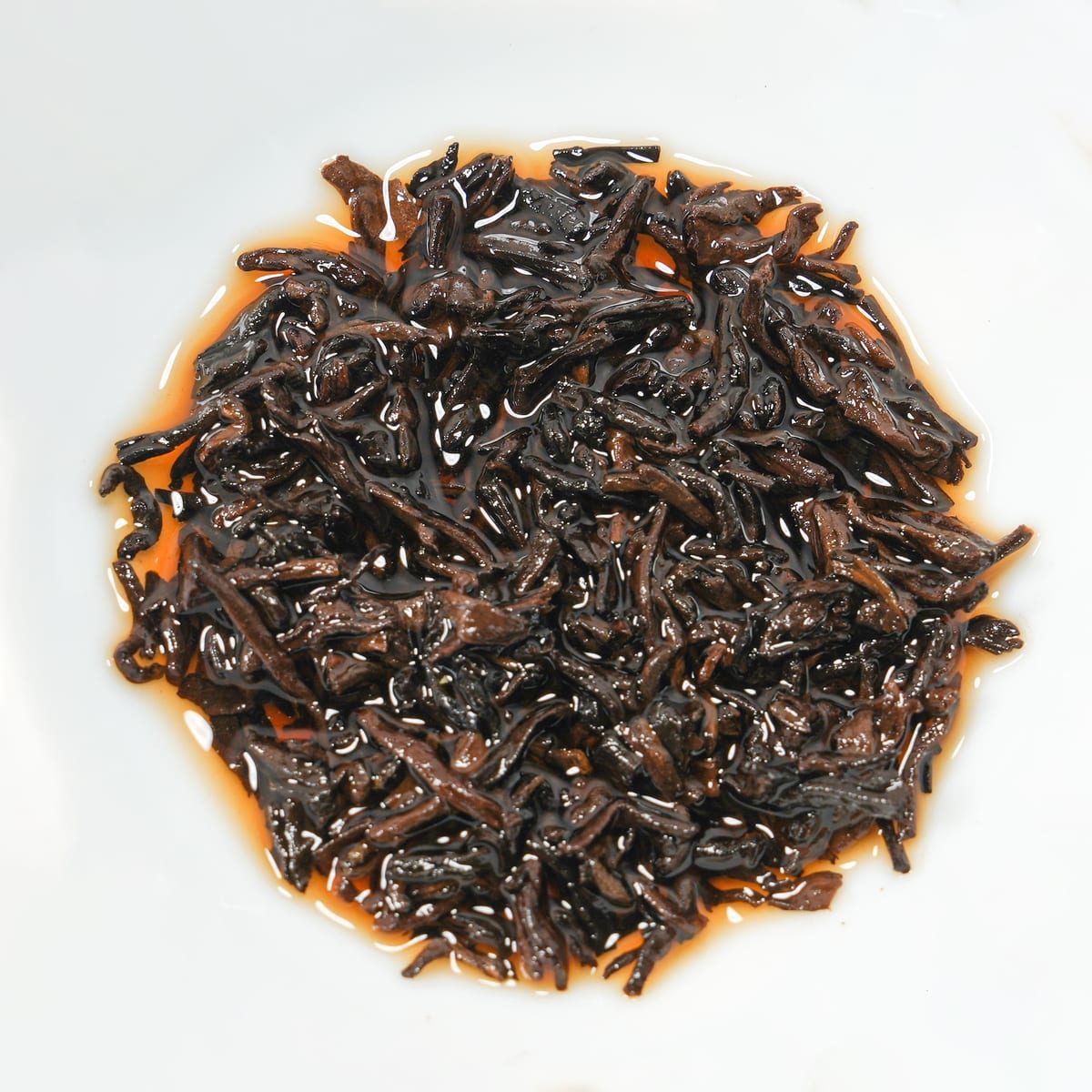
Dark tea brews best at full boil — 95–100°C — which makes it the most forgiving tea to prepare. No temperature sensitivity, no timing precision beyond a basic steep. Use 4–5g per 500ml, steep 3–4 minutes; the leaves tolerate 3–4 re-steeps with consistent depth. For fine dining, offer it as a digestif tea alongside dessert rather than as part of the main tea selection. For specialty cafes, position it alongside coffee alternatives. The story is genuinely different from anything else on the menu, and it sells itself once a guest tastes it.