Chinese Tea
Chinese Leaf Tea
Wholesale single-origin loose leaf teas for specialty cafes, fine dining and tea bars across Dubai and the UAE. Sourced directly from China's finest growing regions — Zhejiang, Yunnan, Fujian and Hunan — across six traditional types: green, black, oolong, white, yellow and dark. Suited to premium tea service, gong fu brewing and menus where the tea itself is the talking point. B2B pricing and free UAE delivery.
New to Chinese tea?
How to Brew Chinese Leaf Tea
Temperatures, brew times and re-infusion tips for all six types.
Read the guide →
Chinese Leaf Tea Products
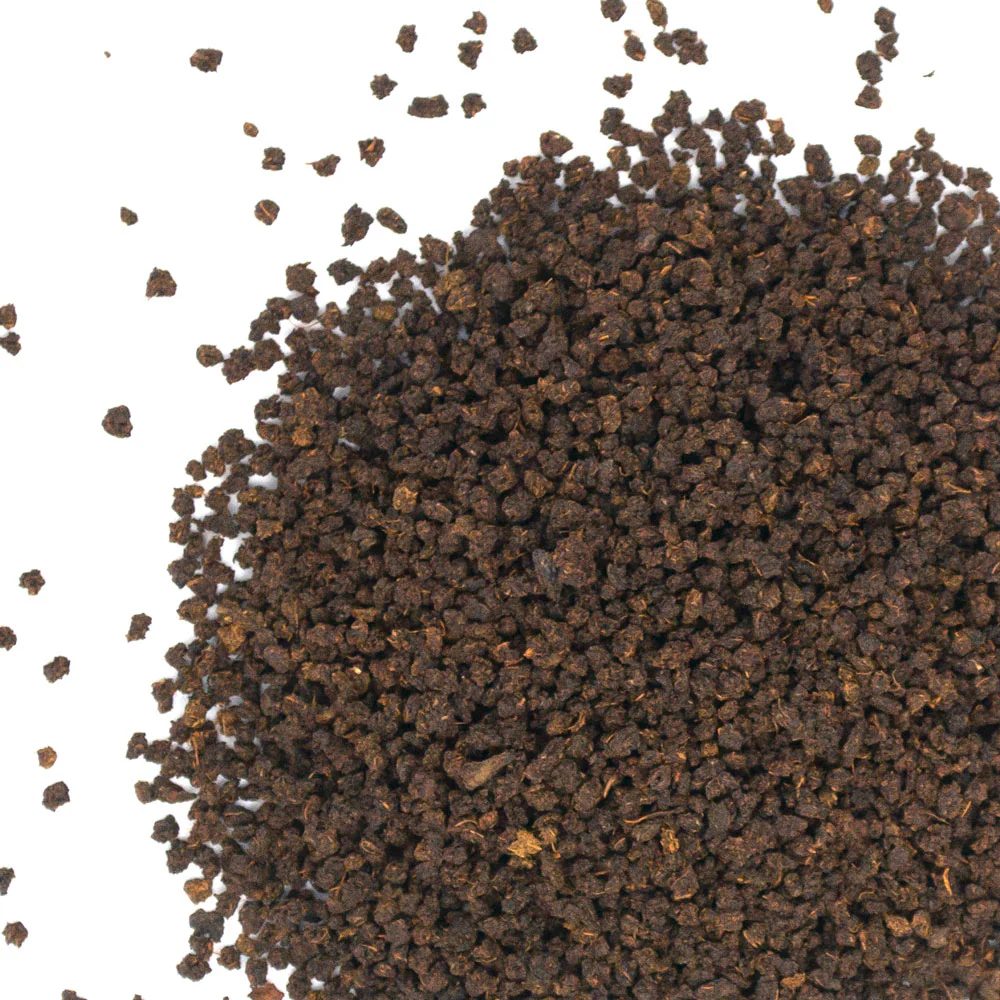
BestsellerHigh-Caffeine
CTC Black Tea
Single Origin · Yunnan CTC
From AED 770
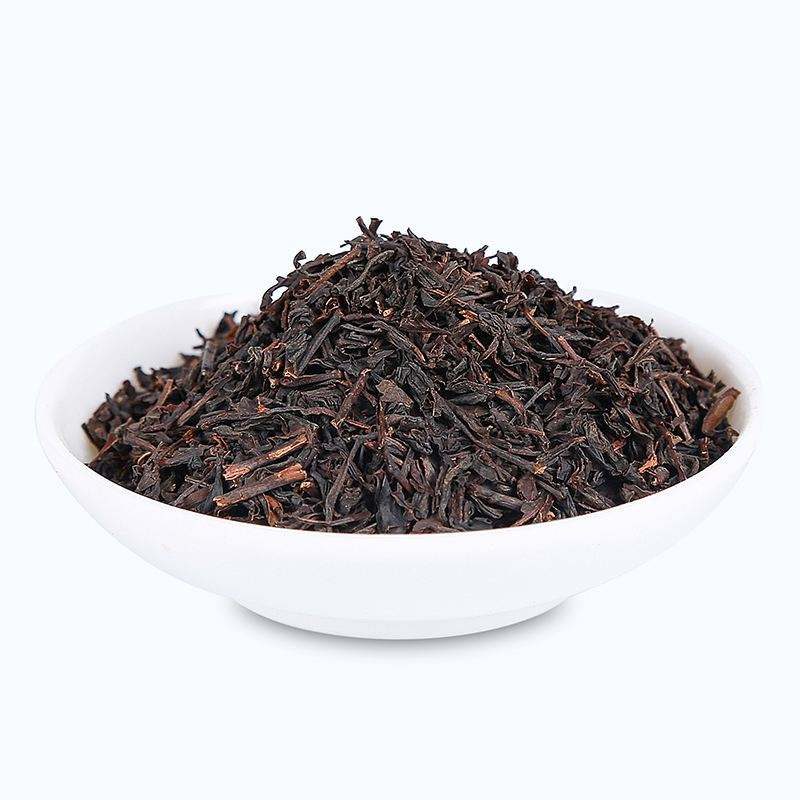
BestsellerHigh-Caffeine
Earl Grey Black Tea
Whole-Leaf Yunnan · Natural Bergamot
From AED 300
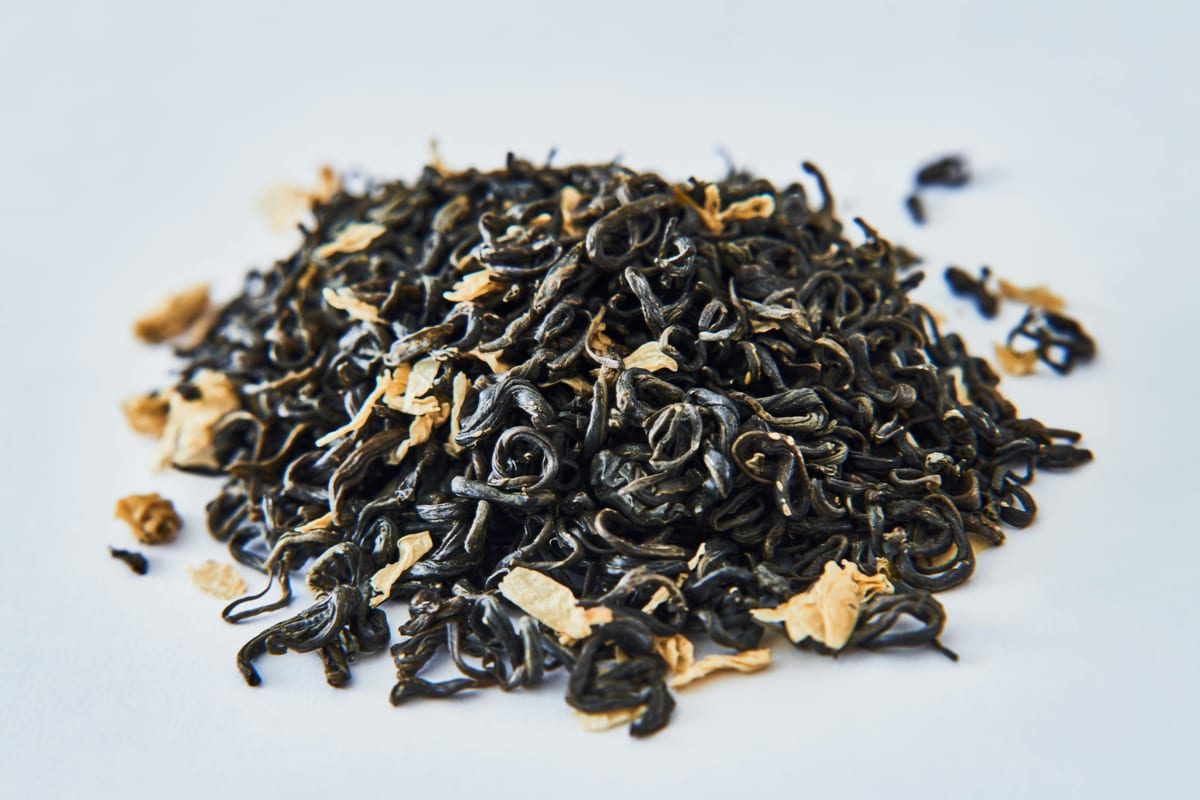
BestsellerLow-Caffeine
Jasmine Green Tea
Jasmine Scented · Floral · Low-Caffeine
From AED 600
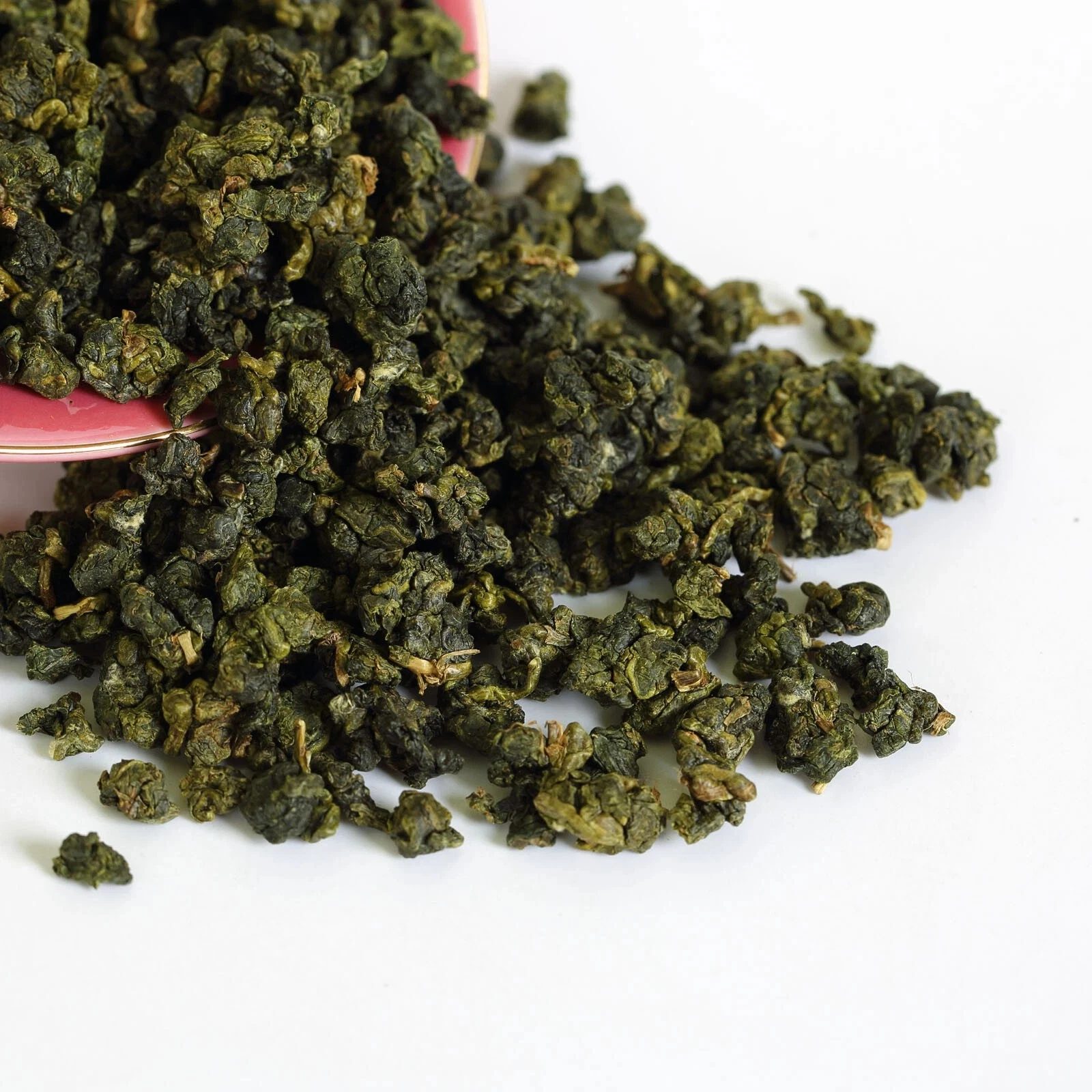
BestsellerHigh-Caffeine
Milk Oolong Tea
Scented Oolong · Milk Aroma
From AED 900
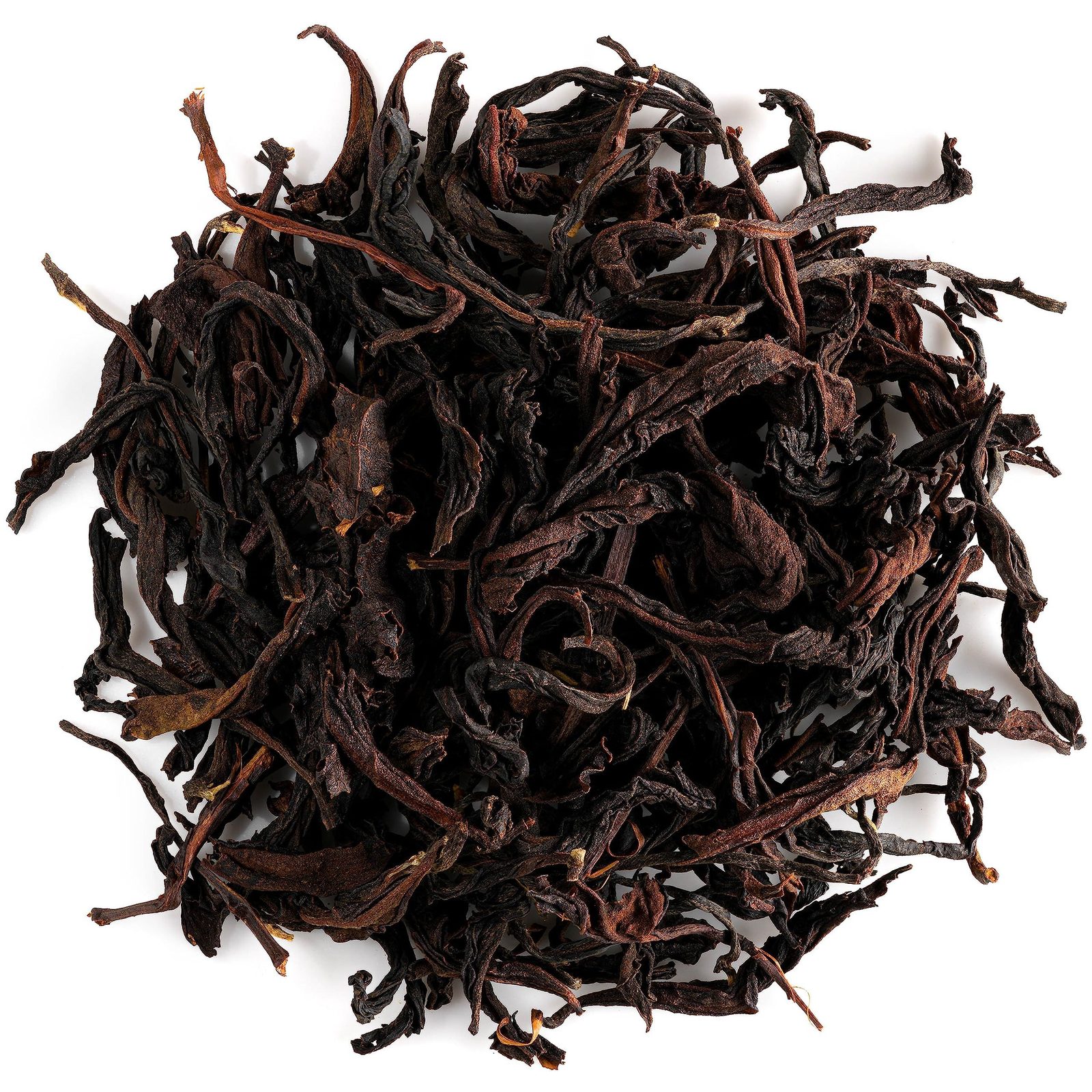
High-CaffeinePremium
Da Hong Pao Oolong Tea
Rock Oolong · Wuyi Mountain, Fujian
From AED 600
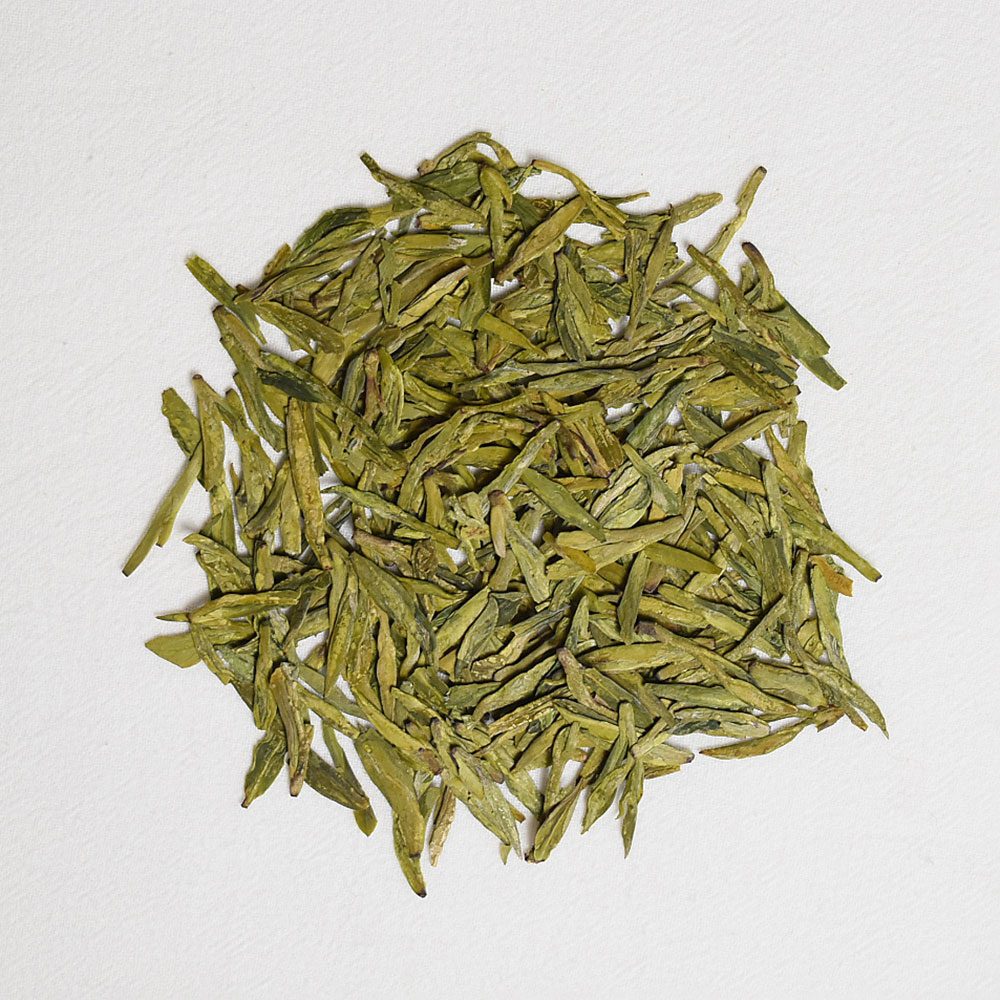
Low-CaffeinePremium
Dragon Well - Longjing Green Tea
Dragon Well · Pan-Fired · Chestnut Aroma
From AED 1,000
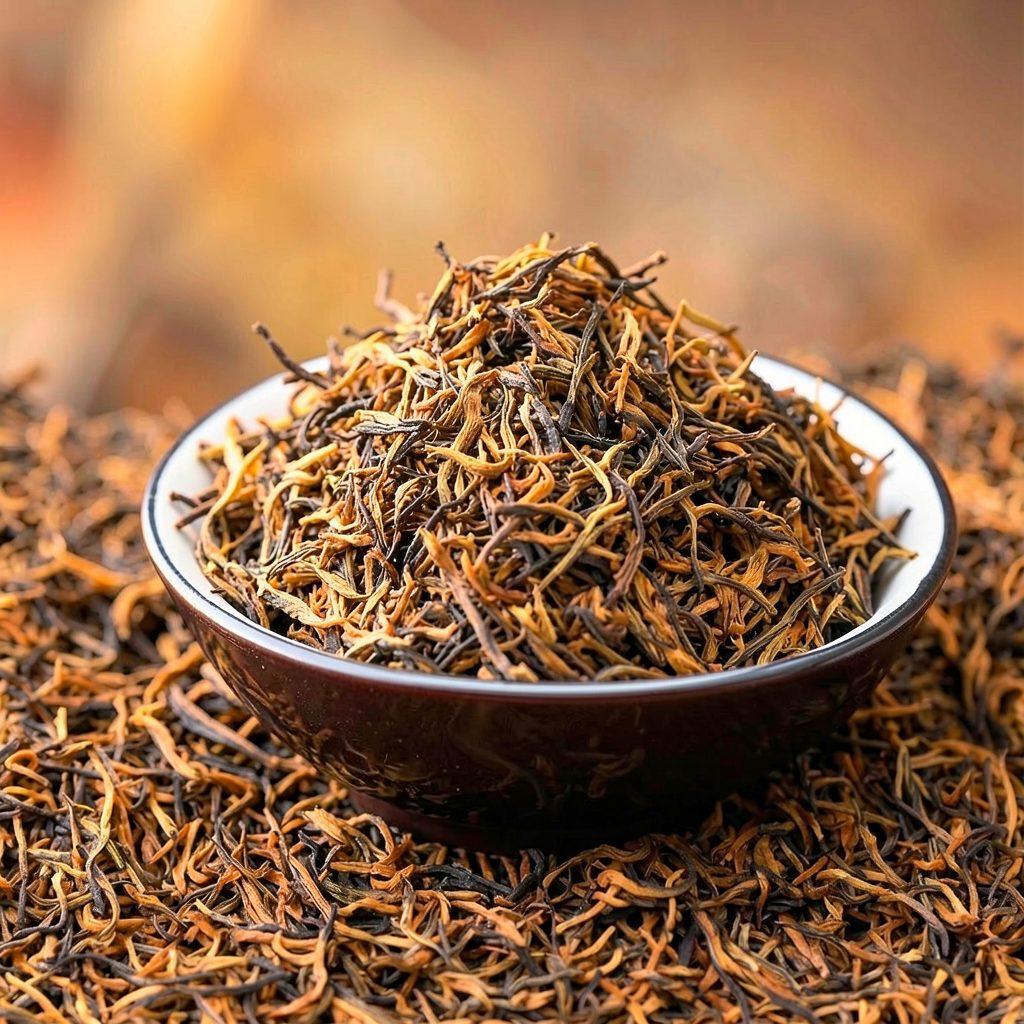
High-CaffeinePremium
Golden Eyebrow - Jin Jun Mei Black Tea
Wuyi Mountains · Bud-Only · Premium Grade
From AED 2,000
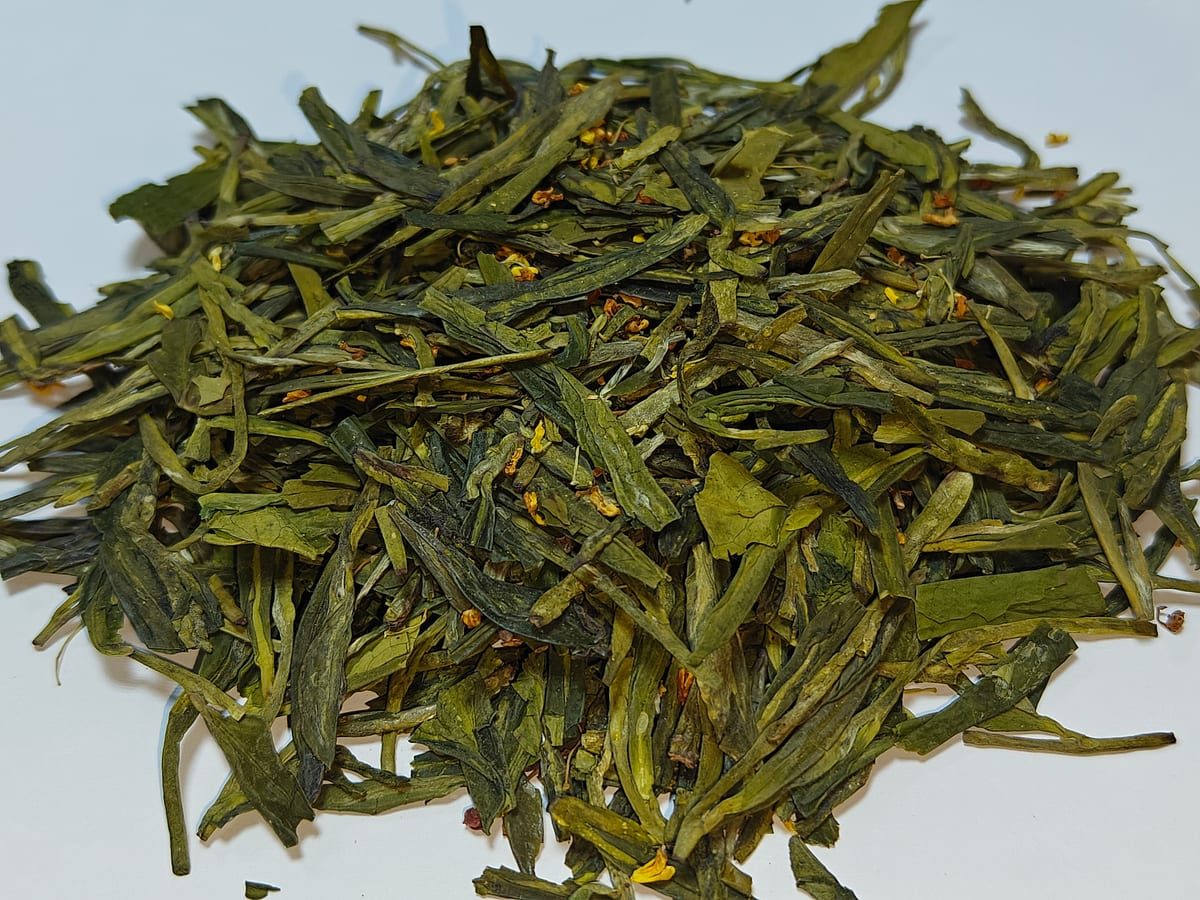
Low-CaffeinePremium
Osmanthus Longjing Green Tea
Dragon Well · Floral · Premium Grade
From AED 900
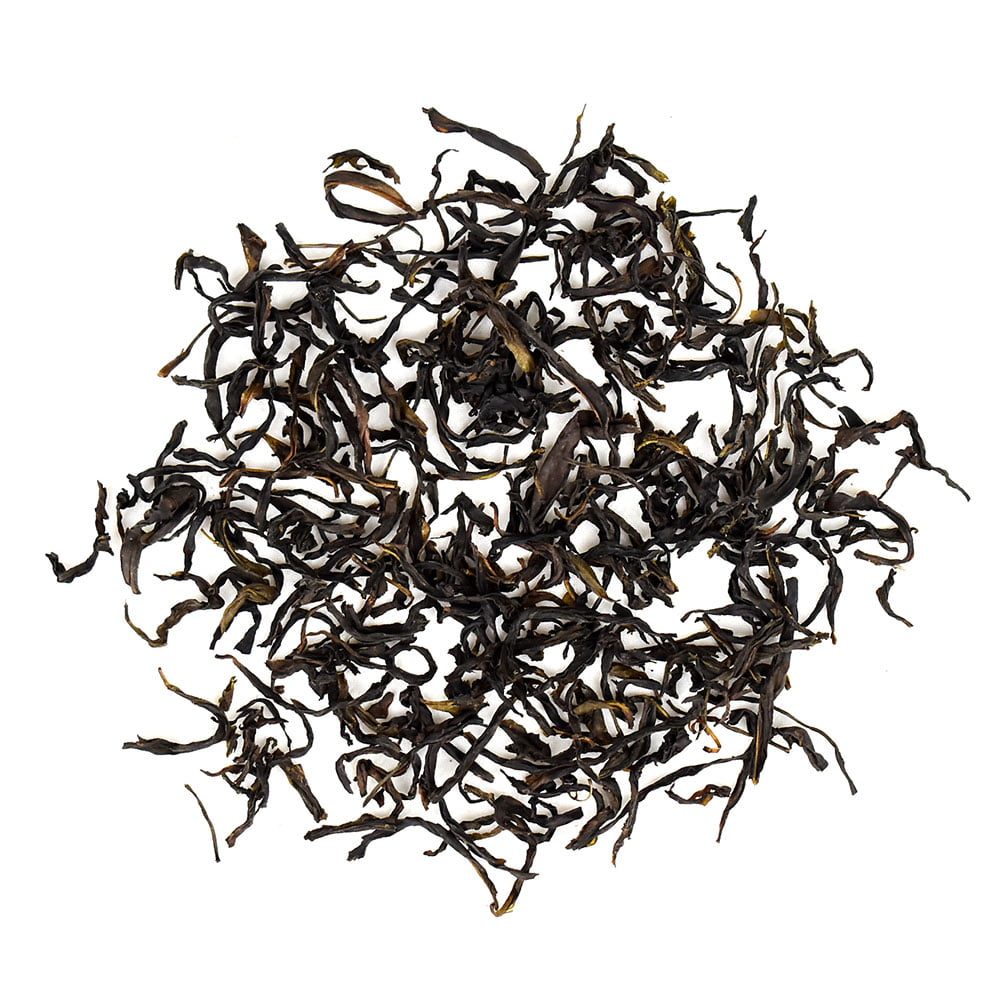
High-CaffeinePremium
Phoenix Dancong Oolong Tea
Single Origin · Phoenix Mountain, Guangdong
From AED 2,000
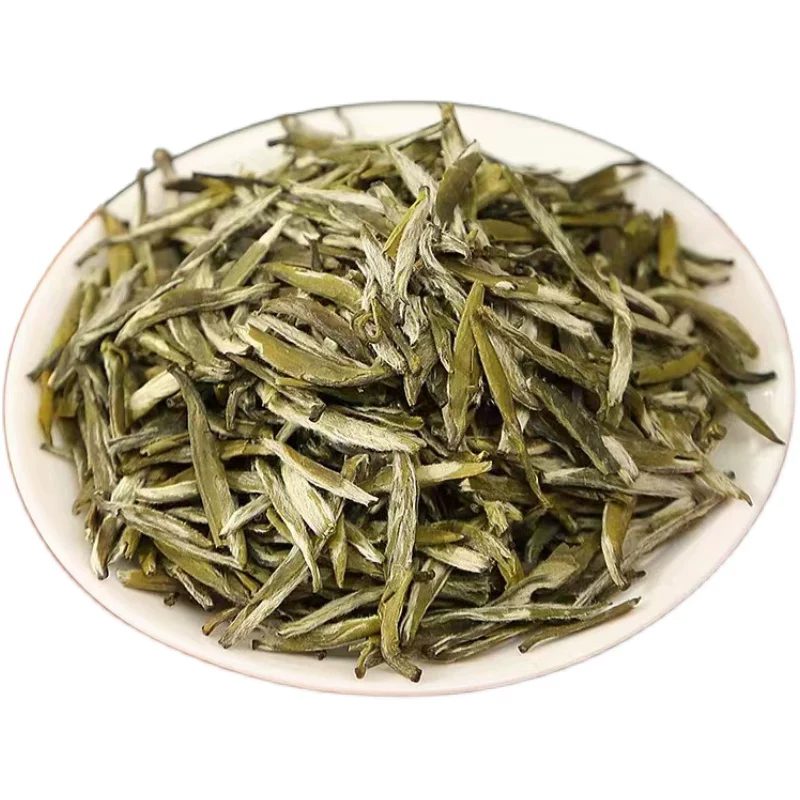
Low-CaffeinePremium
Yellow Tea
Hunan Province · Men Huang Process · Low-Caffeine
From AED 300
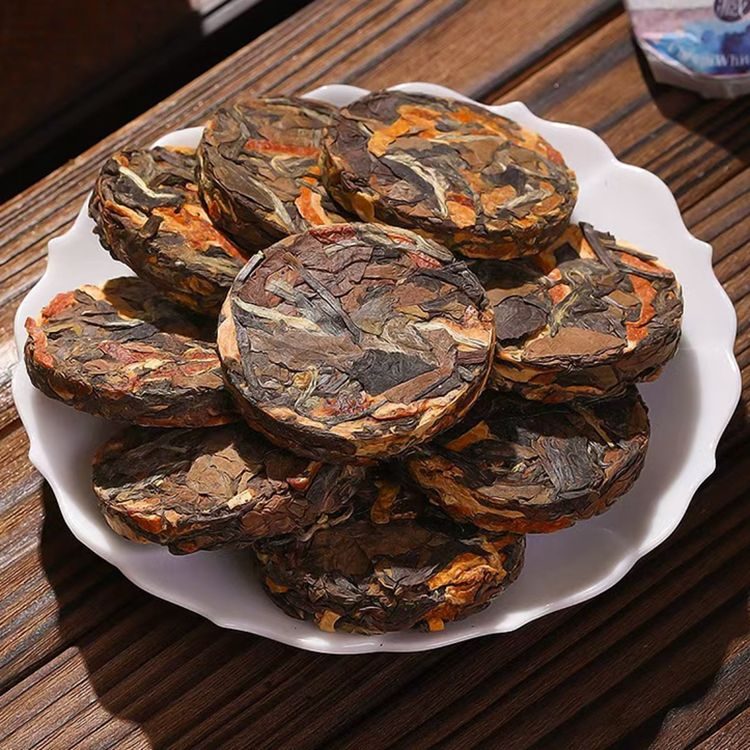
High-Caffeine
Aged Tangerine Peel White Tea Coin
White Tea · Citrus Aged · Compressed
From AED 600
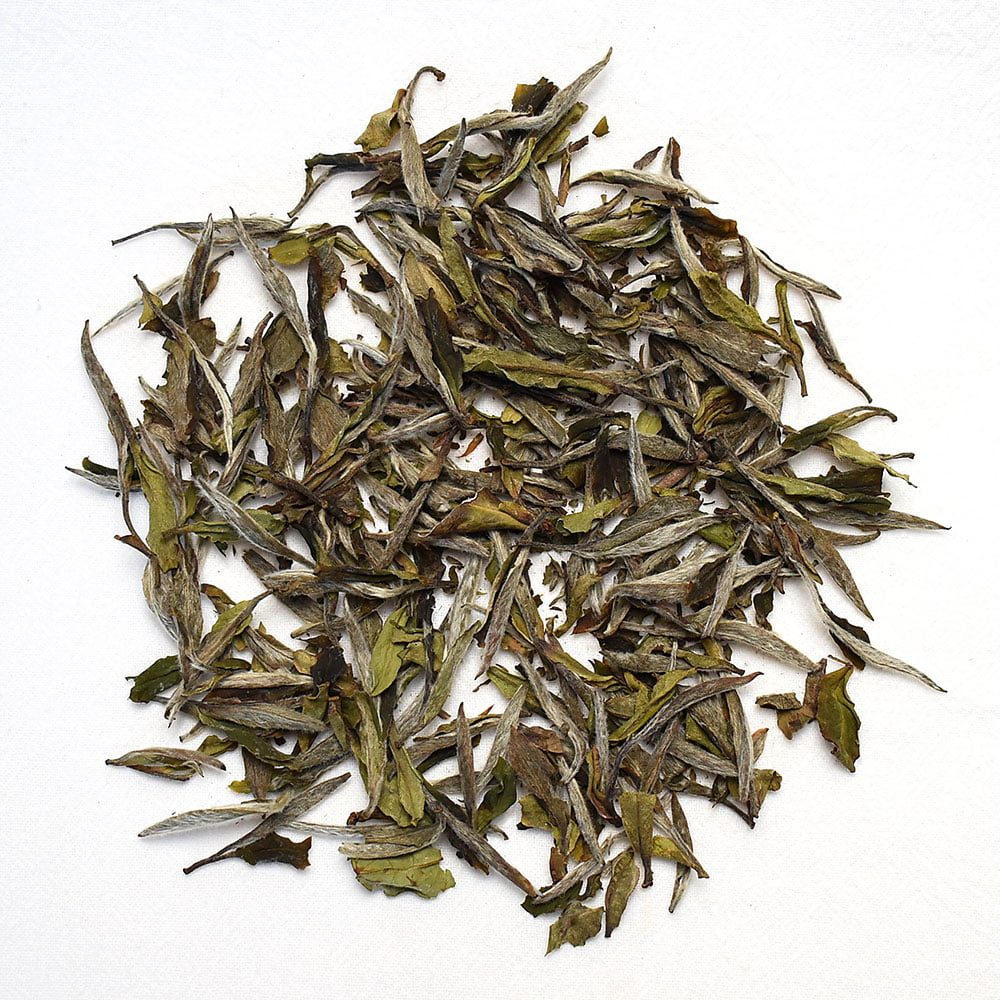
Low-Caffeine
Bai Mu Dan White Tea
White Peony · Bud & Leaf Grade
From AED 1,000
High-Caffeine
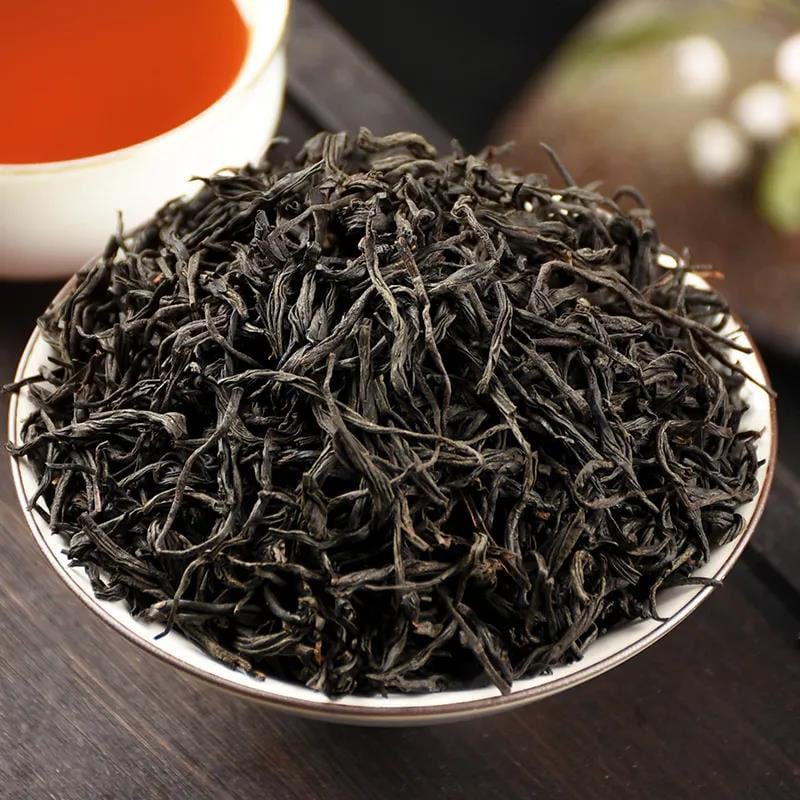
Black Tea
Yunnan Province · Fully Oxidised · High-Caffeine
From AED 300
High-Caffeine
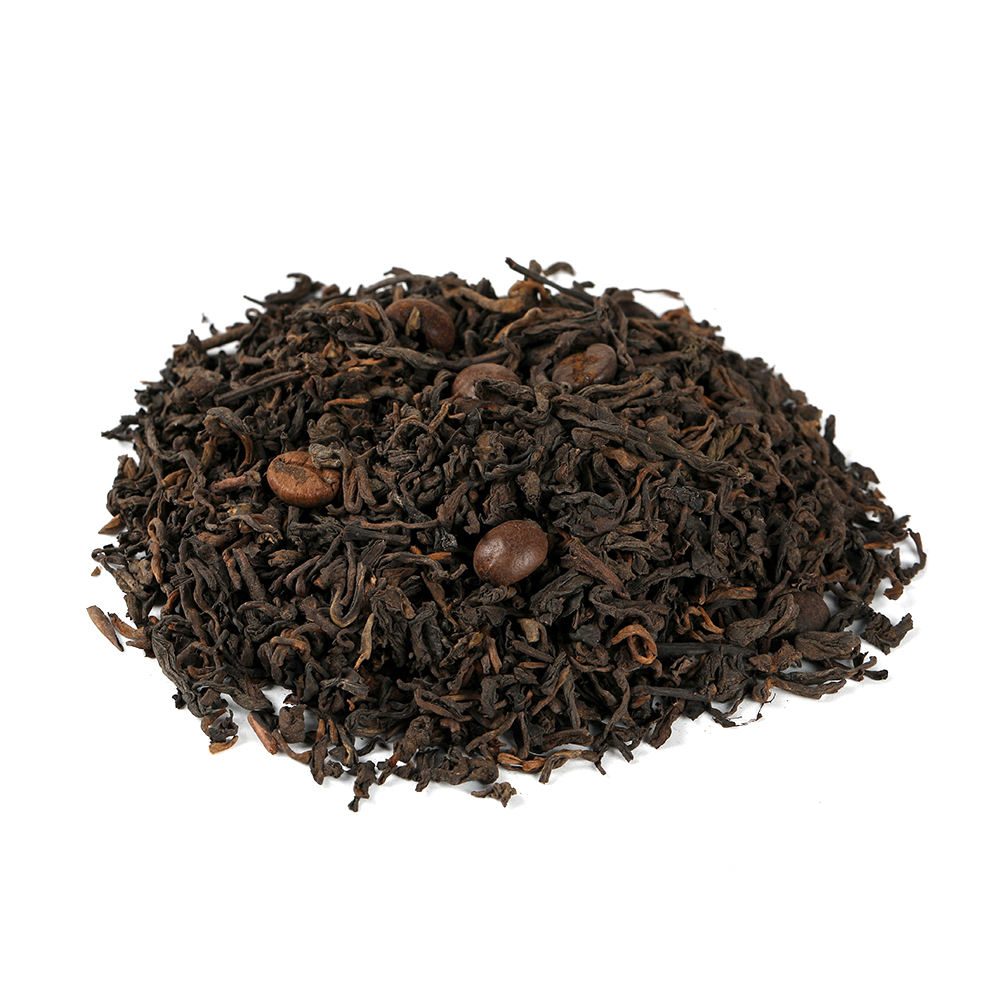
Coffee Puer Tea Coin
Aged Pu-erh · Fermented · Compressed
From AED 600
High-Caffeine
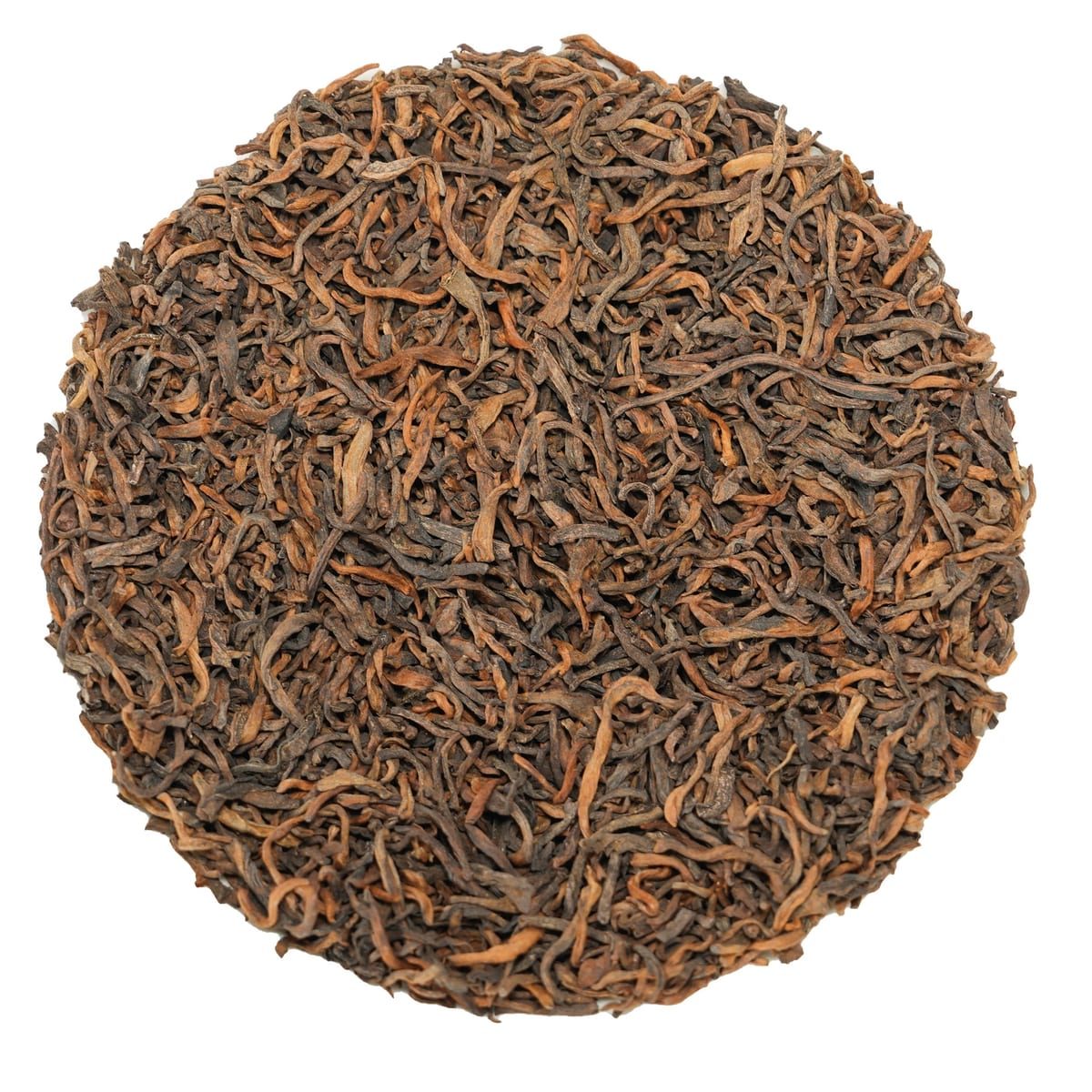
Dark Tea
Yunnan Province · Post-Fermented · High-Caffeine
From AED 300
High-Caffeine
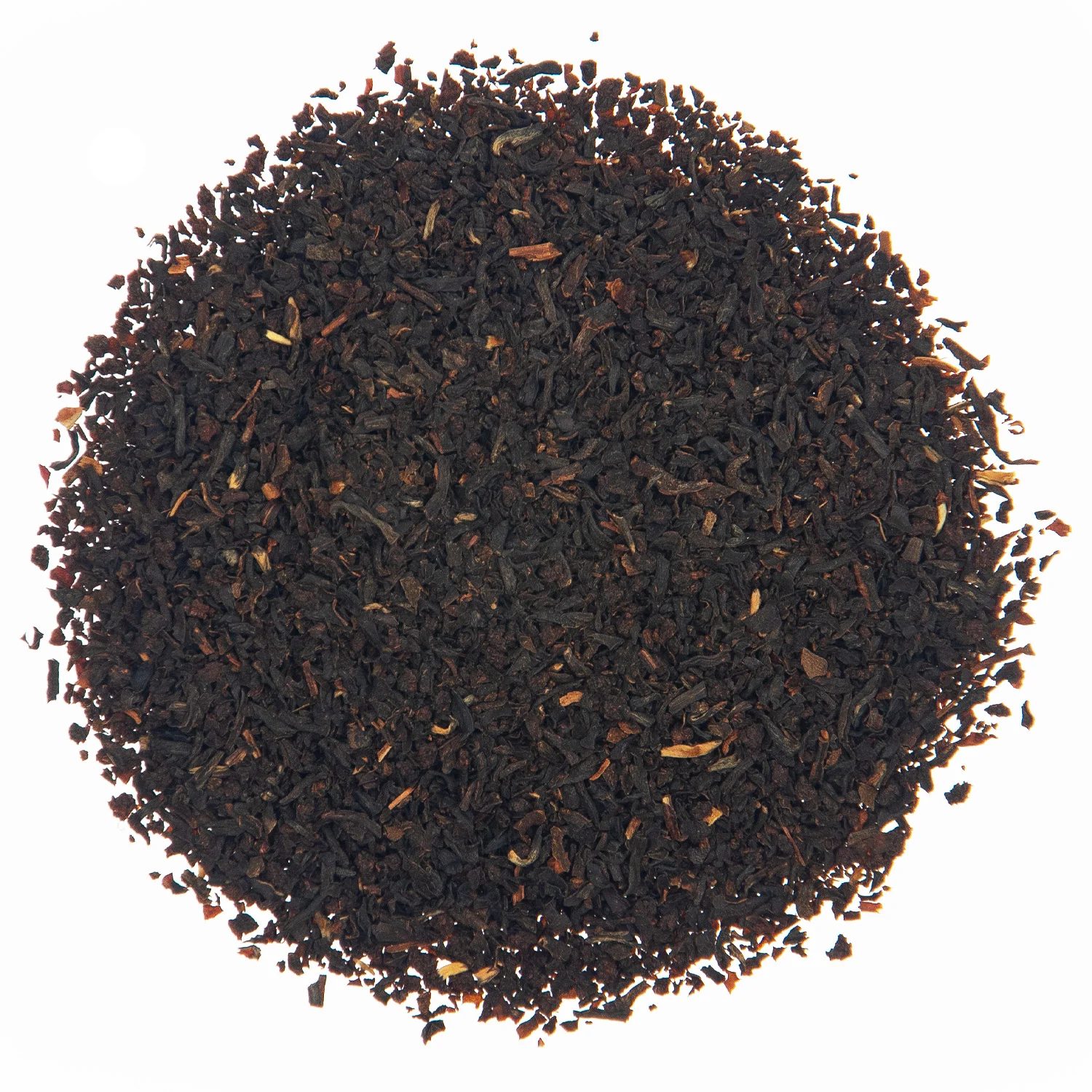
English Breakfast Black Tea
Broken Leaf · Yunnan
From AED 300
Low-Caffeine
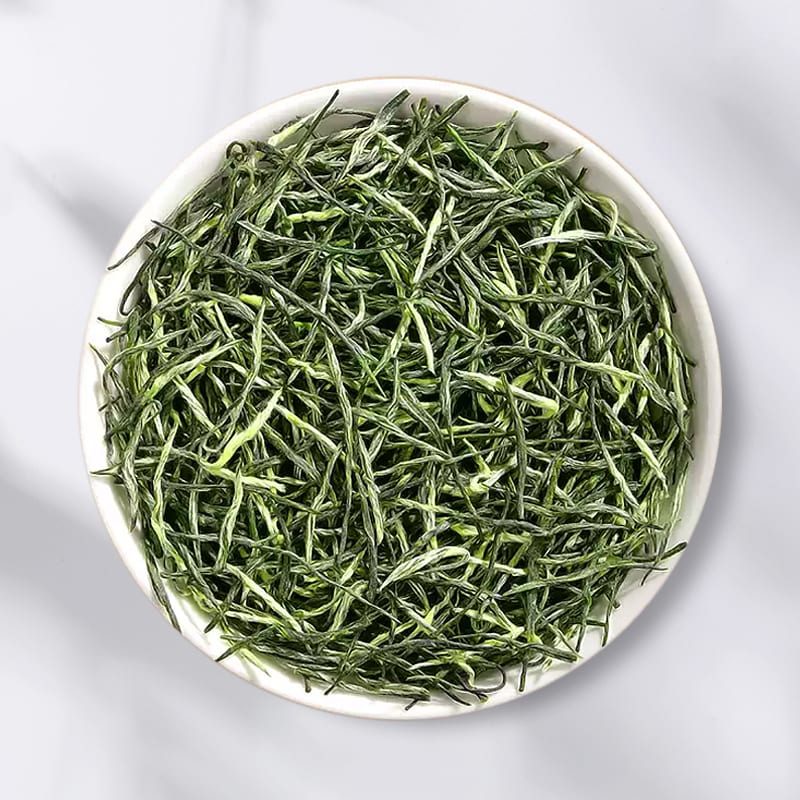
Green Tea
Zhejiang Province · Unoxidised · Low-Caffeine
From AED 300
Low-Caffeine
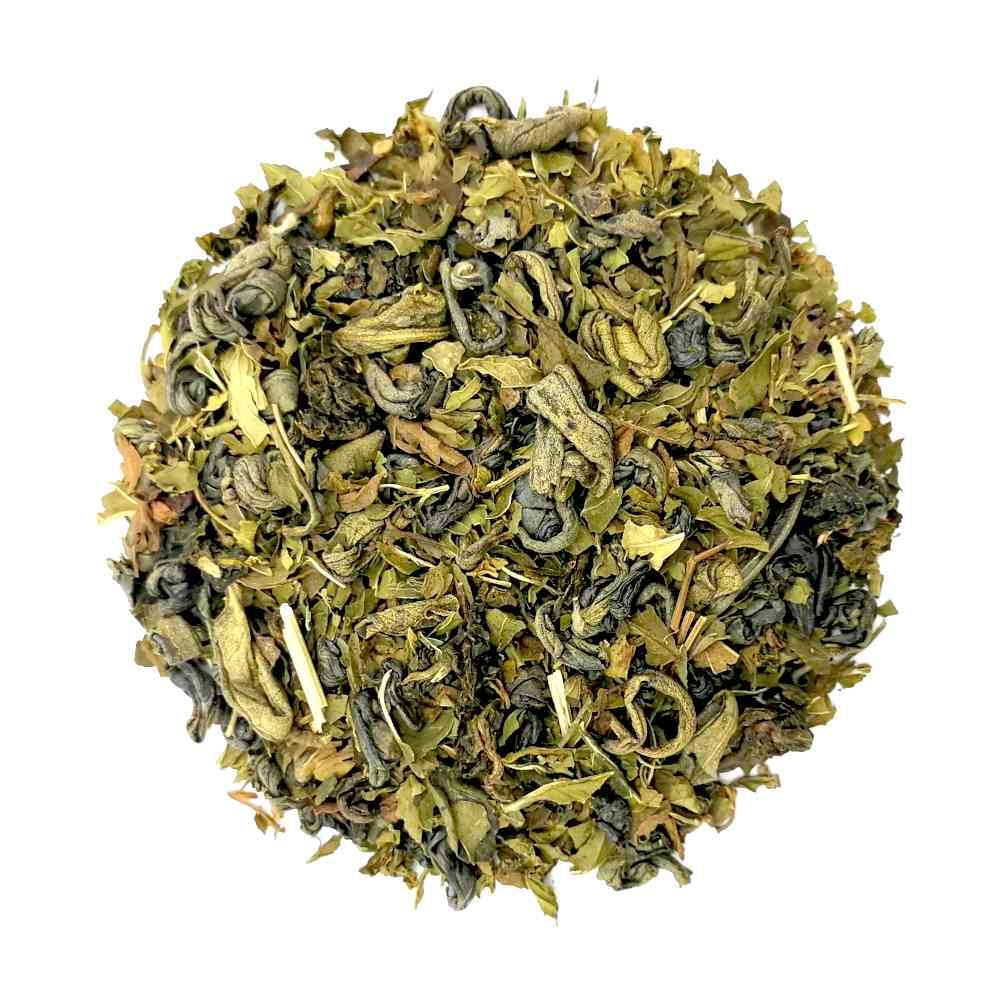
Moroccan Mint Green Tea
Gunpowder Green Tea · Spearmint · High-Caffeine
From AED 300
High-Caffeine
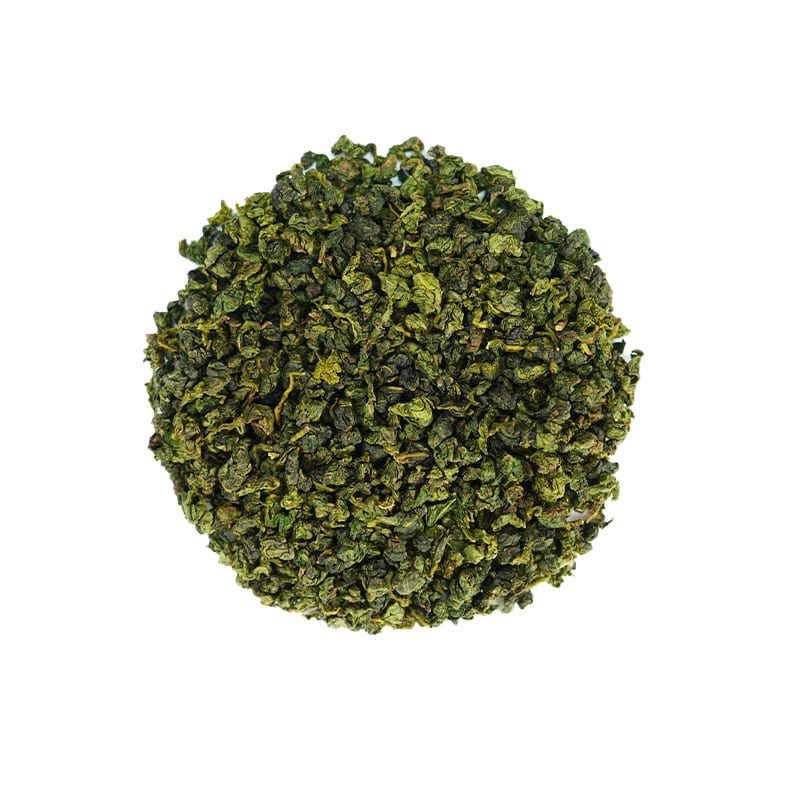
Oolong Tea
Fujian Province · Partially Oxidised · High-Caffeine
From AED 300
High-Caffeine
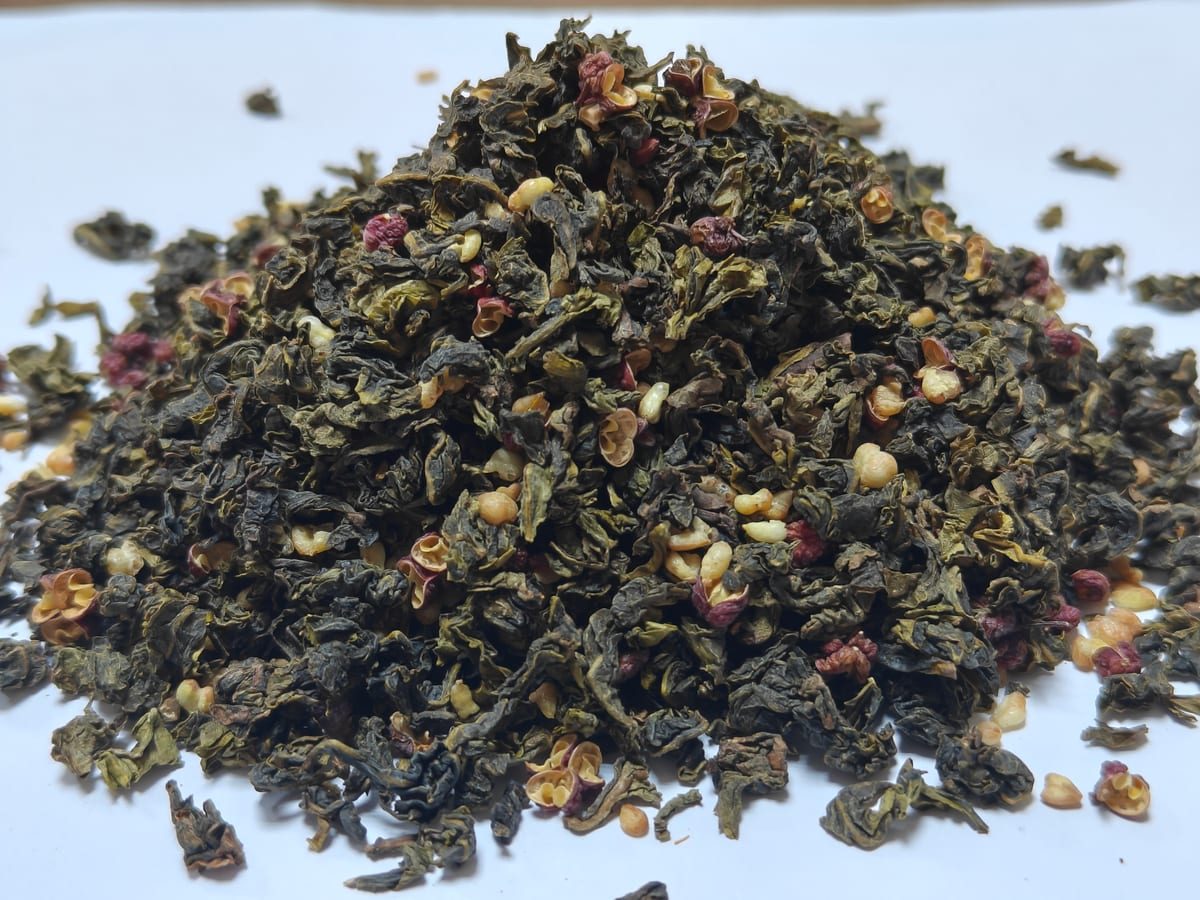
Sichuan Pepper Oolong Tea
Oolong Base · Spiced · Digestive Support
From AED 600
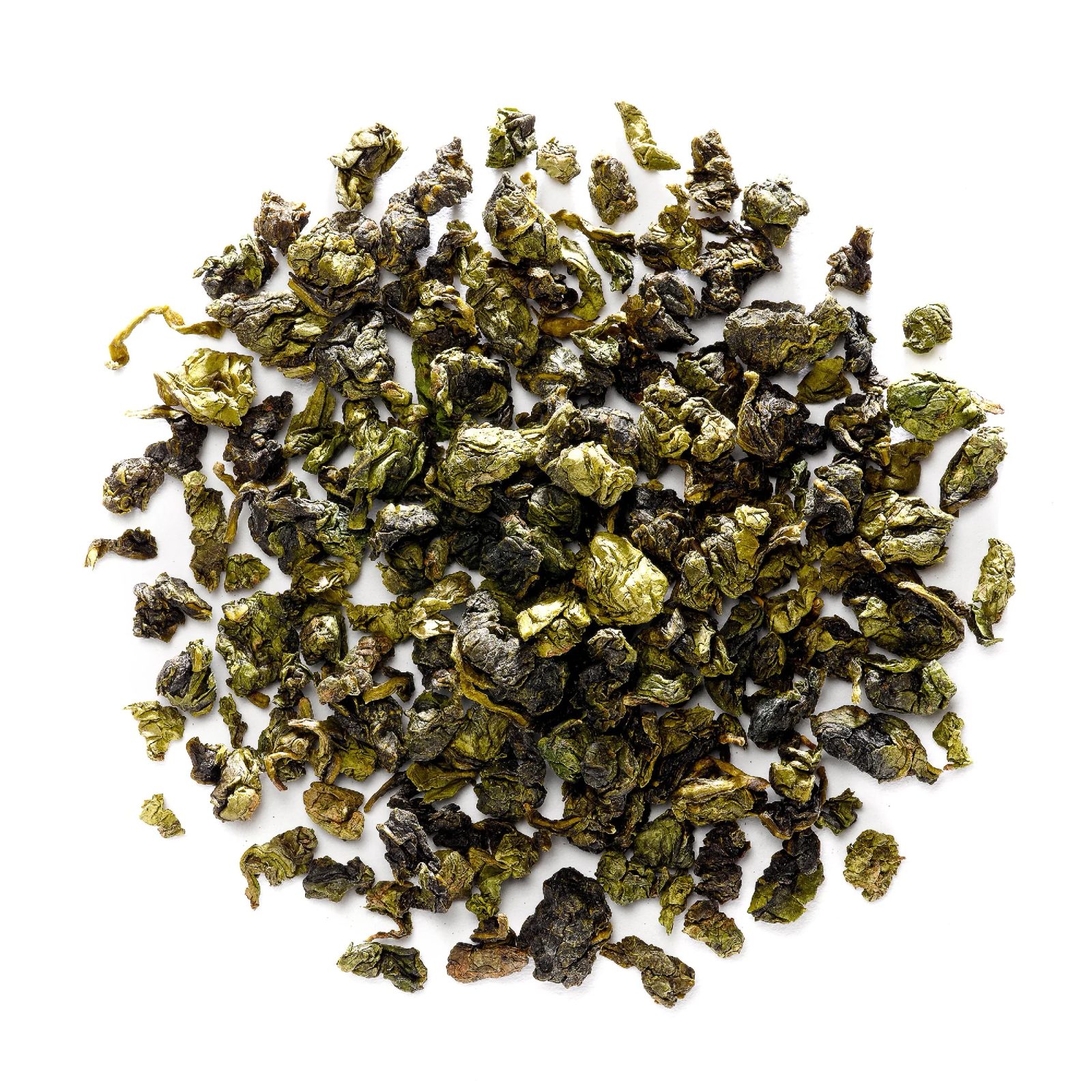
High-Caffeine
Tie Guan Yin Oolong Tea
Single Origin · Anxi, Fujian
From AED 600
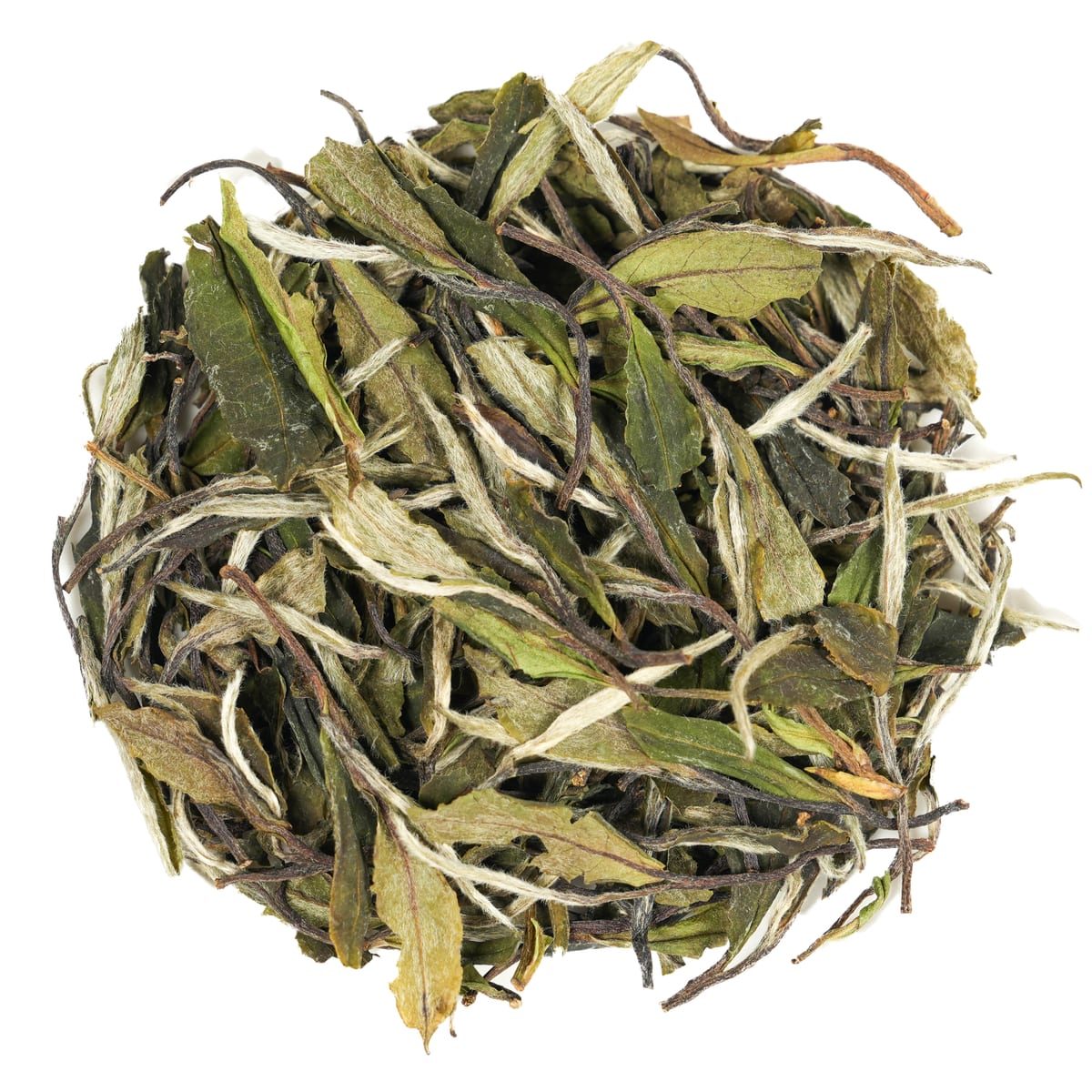
Low-Caffeine
White Tea
Fujian Province · Minimally Processed · Very Low-Caffeine
From AED 300