Yellow Tea
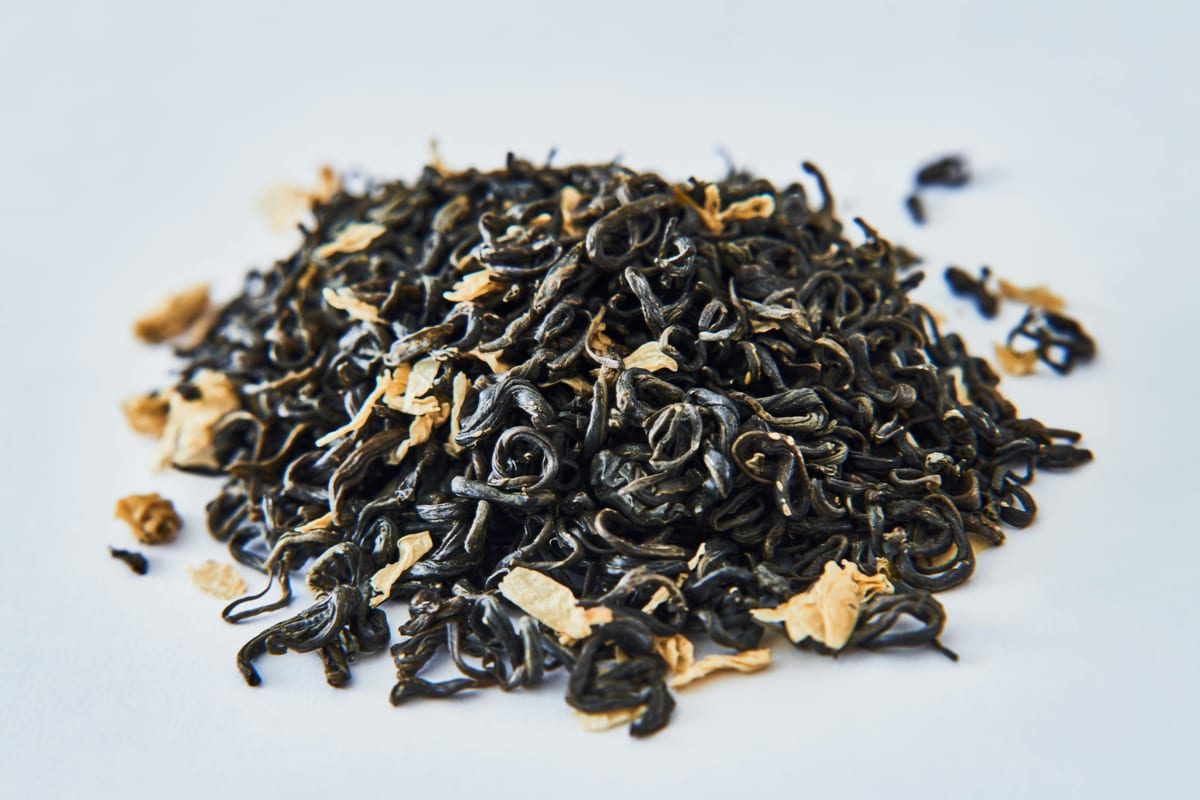
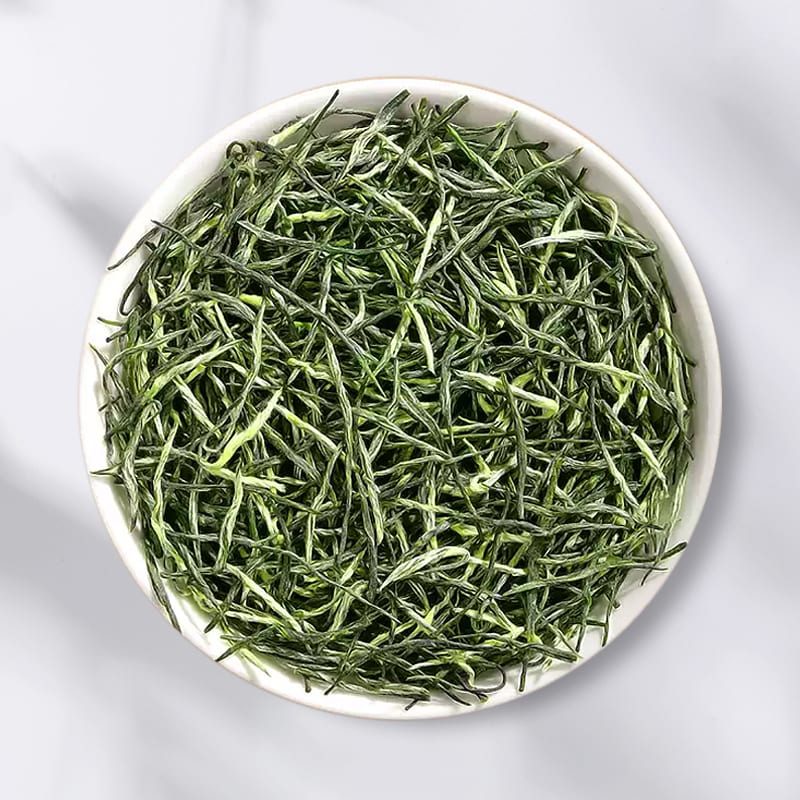
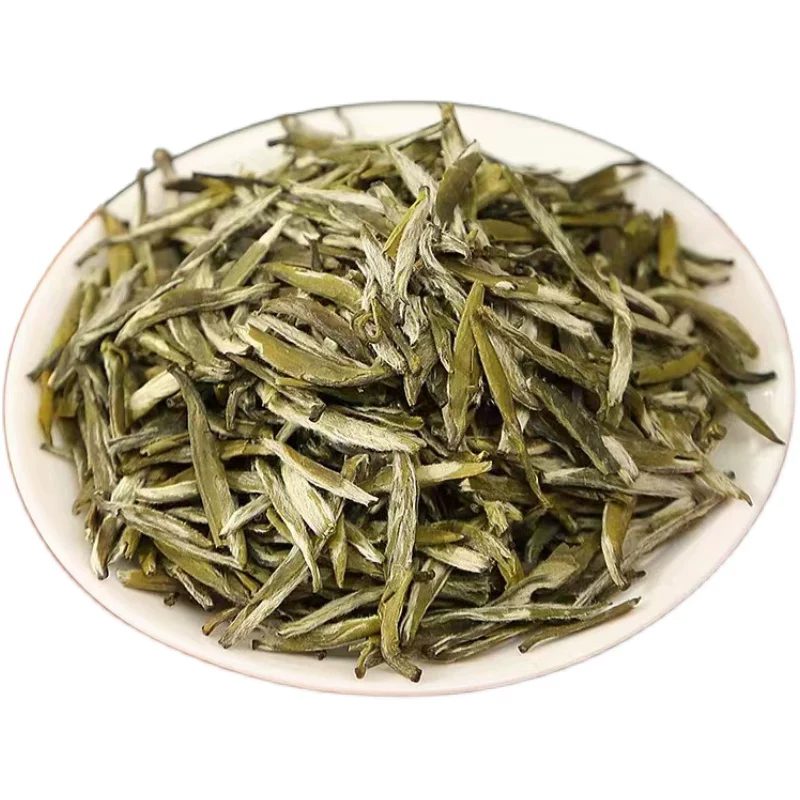
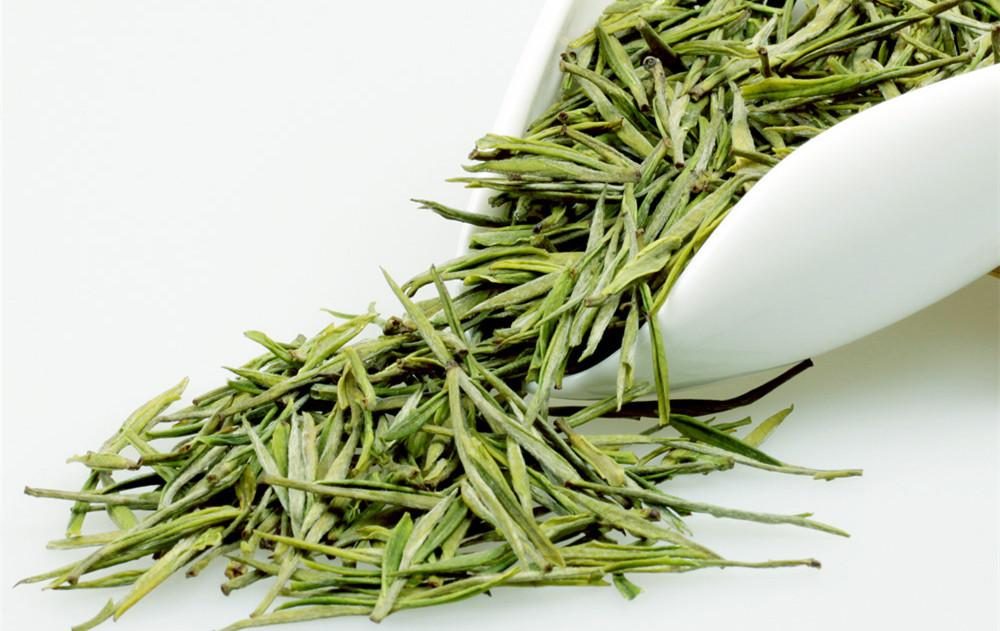
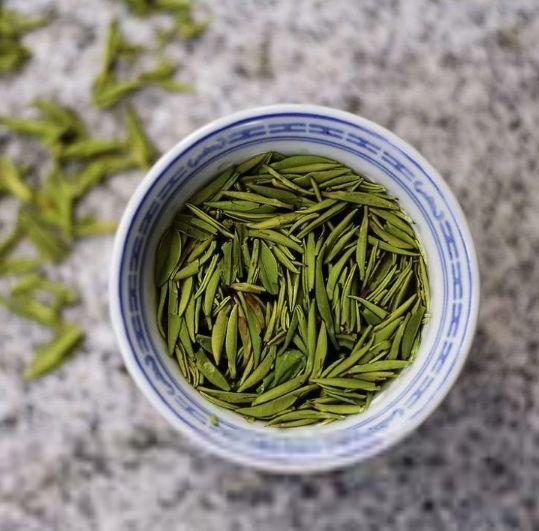
China's rarest tea category, produced using the ancient men huang yellowing process. Smoother and less grassy than green tea, with a mellow sweetness and pale yellow-gold liquor. Low in caffeine — a genuine collector's offering for premium menus.
About Yellow Tea
Yellow tea is the rarest mainstream tea category in China — rarer than white tea, less understood than oolong and virtually unknown in the UAE hospitality market. That is, commercially, its greatest asset. The men huang process — a controlled yellowing of the leaf under warm humidity before firing — removes the grassiness that some guests find off-putting in green tea, producing a cup that is smoother, mellower and easier to drink than its green equivalent. A cafe that offers yellow tea is signalling that it knows its tea.
What Makes It Different from Green Tea
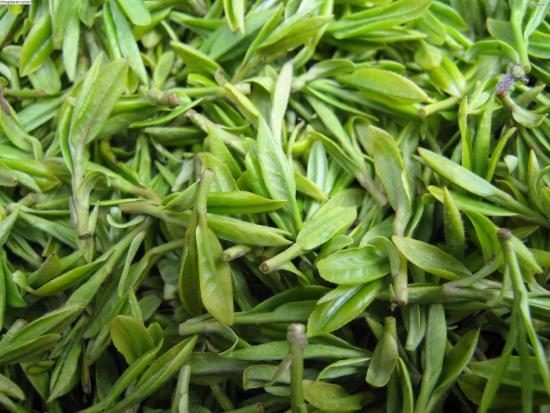
Yellow tea starts as green tea and diverges at one processing step: after initial pan-firing, the leaves are wrapped in cloth or paper and allowed to yellow slowly under residual heat. This mild transformation — less than 5% oxidation — is just enough to mellow the chlorophyll-driven grassiness without developing the darker character of oolong. The result is a cup that green tea drinkers find approachable but more complex, and that guests who struggle with green tea find unexpectedly smooth. It is easier to recommend than to explain; the cup does the explaining.
The Rarity Story
Authentic yellow tea is produced in only a few regions of Hunan, Sichuan and Anhui provinces, in small quantities, using labour-intensive processing that has declined as industrialisation made simpler green tea production more economical. Most suppliers do not stock it. Most tea drinkers globally have never encountered it. For a specialty cafe or fine dining venue that wants one genuinely exclusive talking-point product — something a guest cannot order anywhere else in the city — yellow tea is the answer. Its scarcity is honest and documentable, which makes the story credible.
How to Position and Serve It
Yellow tea does not need a long explanation to sell. Position it as China's rarest tea type, describe it as smoother than green tea with a mellow honeyed character, and let the unfamiliarity drive curiosity. Price it at the top of the tea menu — its genuine scarcity supports it. For tables where guests are already ordering thoughtfully, yellow tea is the natural conversation starter. Serve at 75°C in a glass pot, steep 3–4 minutes, encourage re-steeping. The leaves tolerate two to three infusions with consistent quality.