Oolong Tea
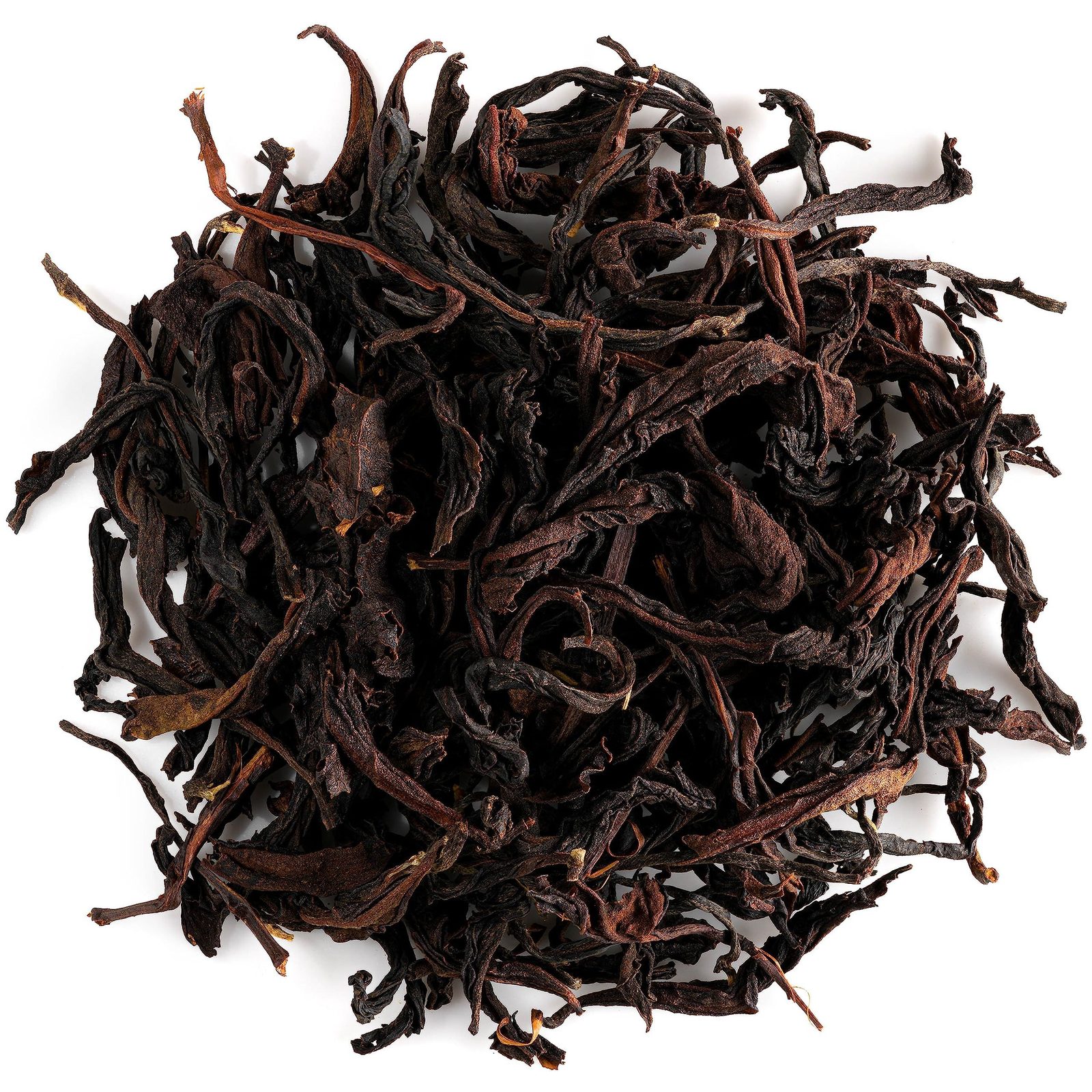
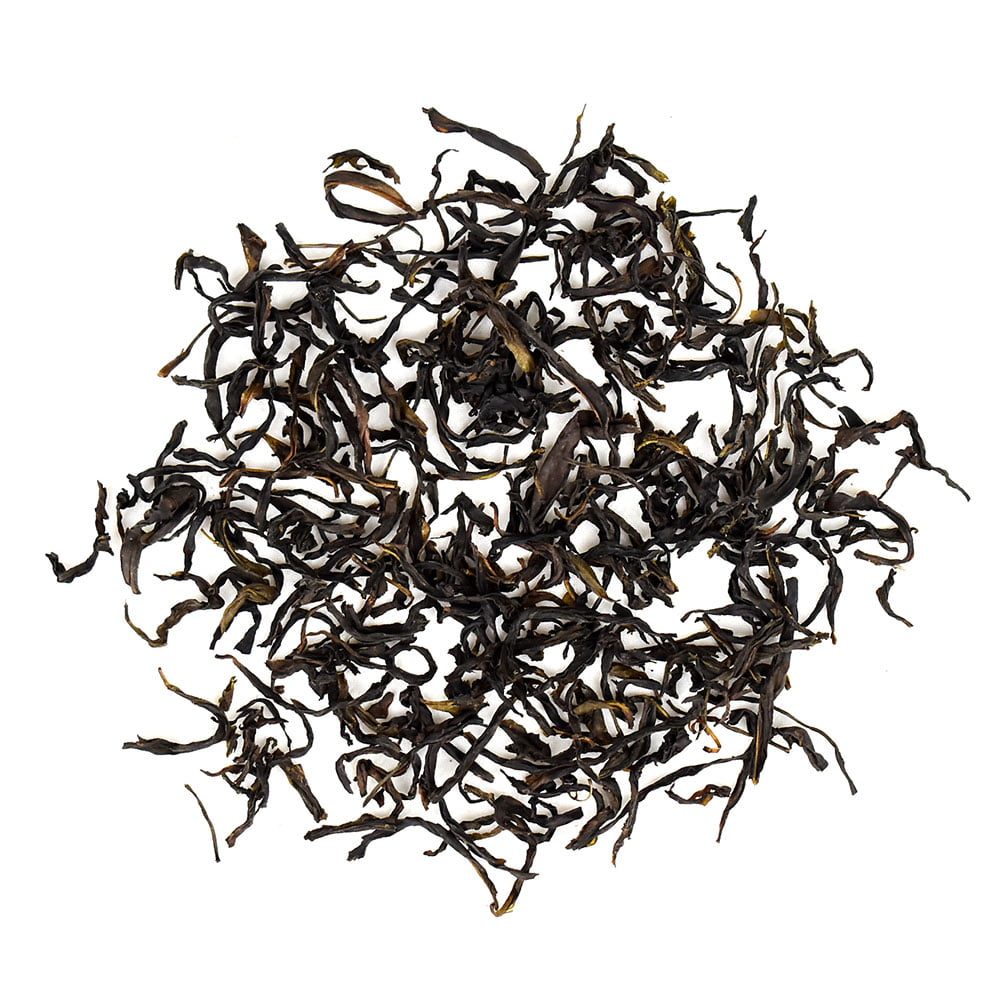
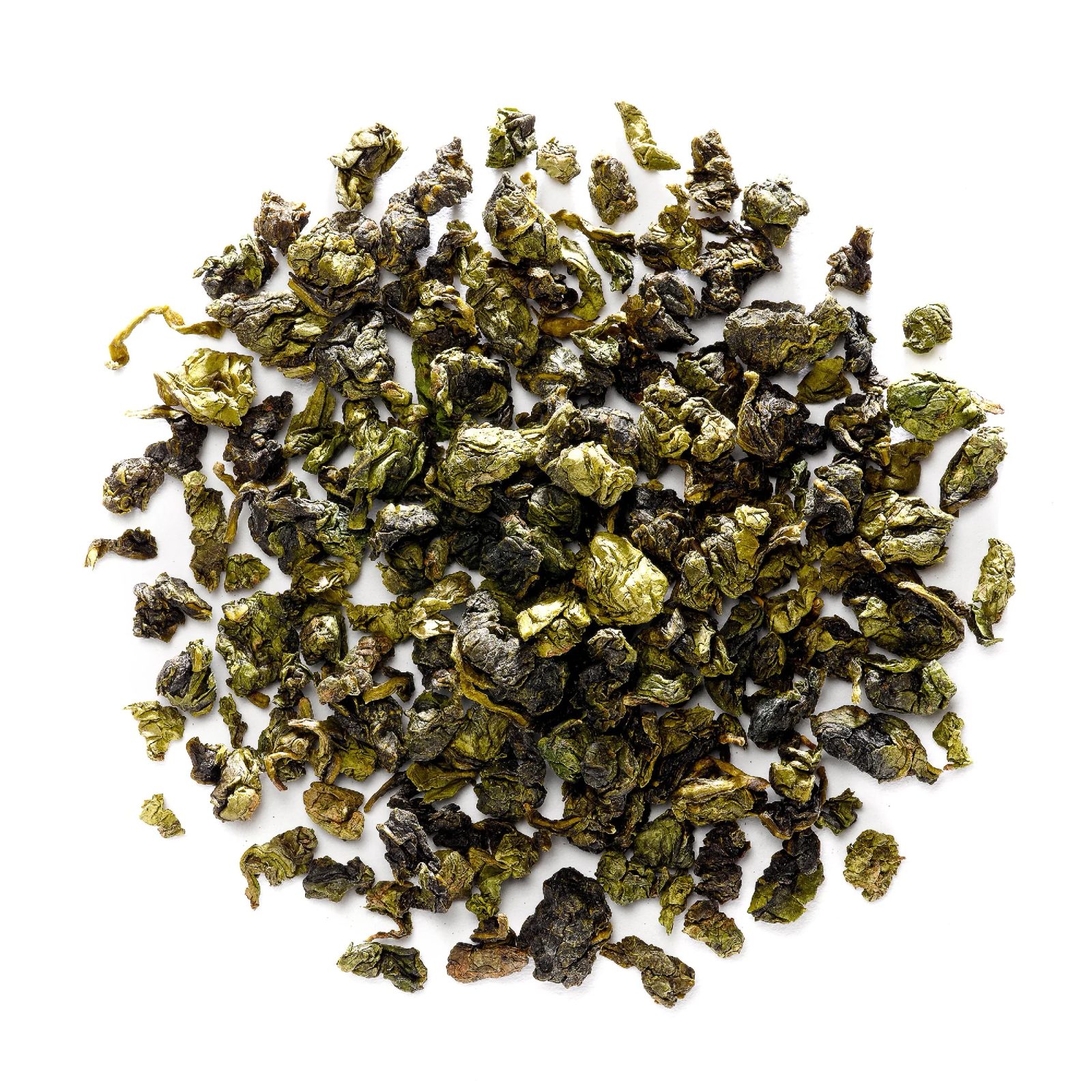
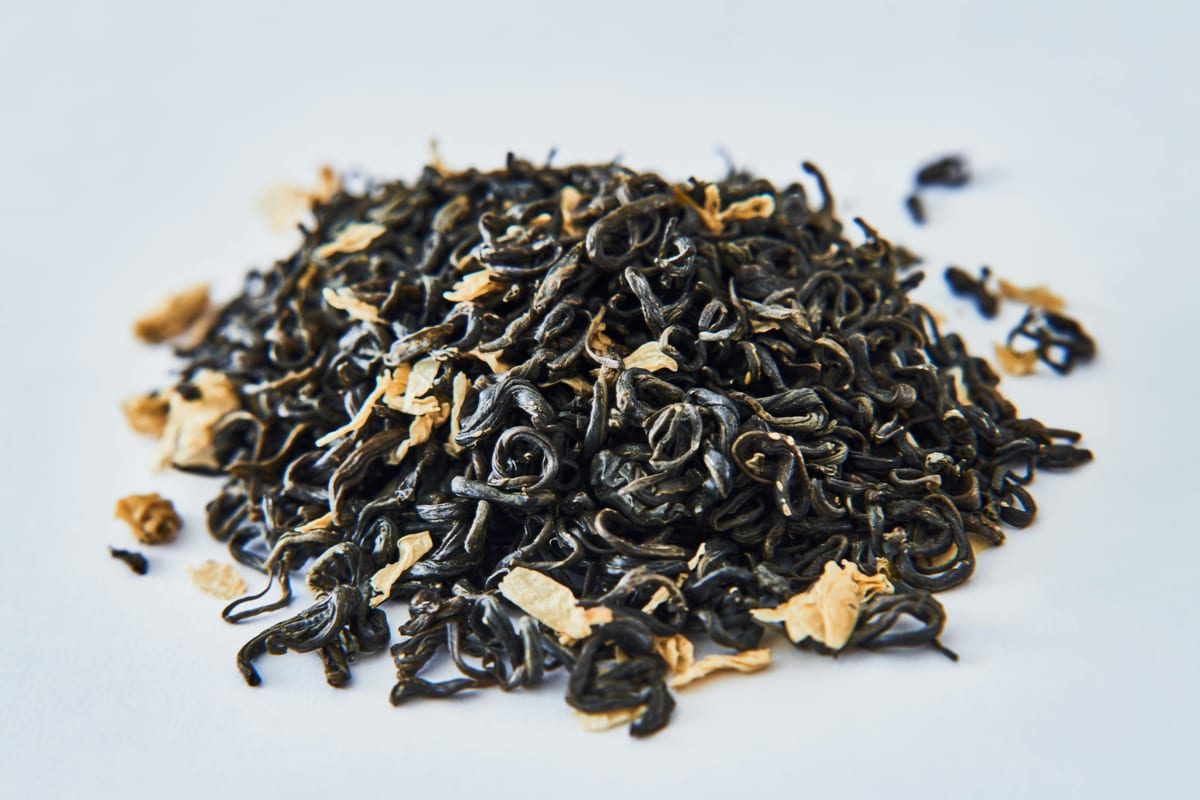
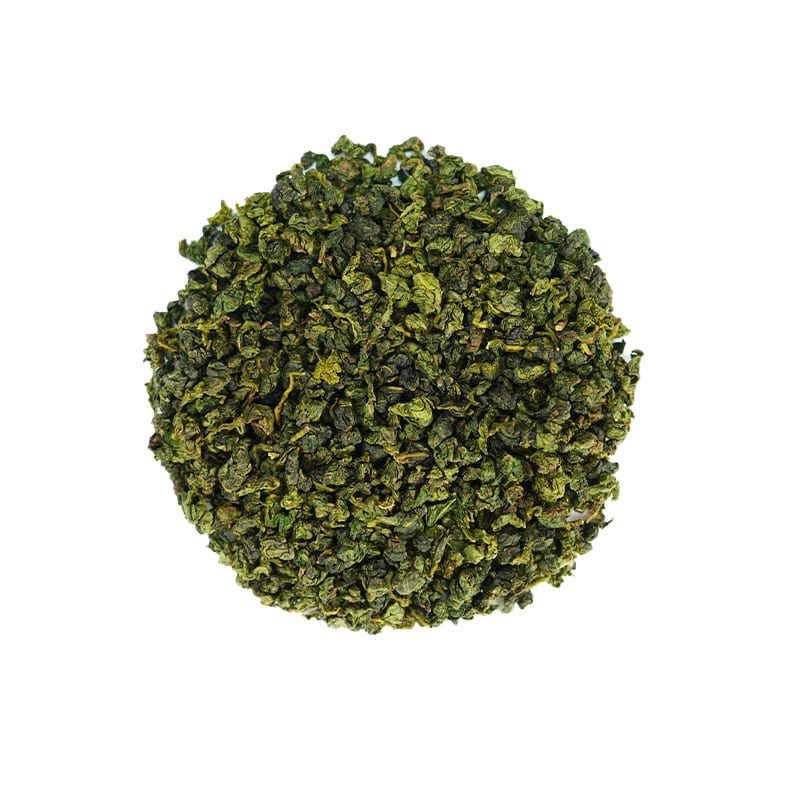
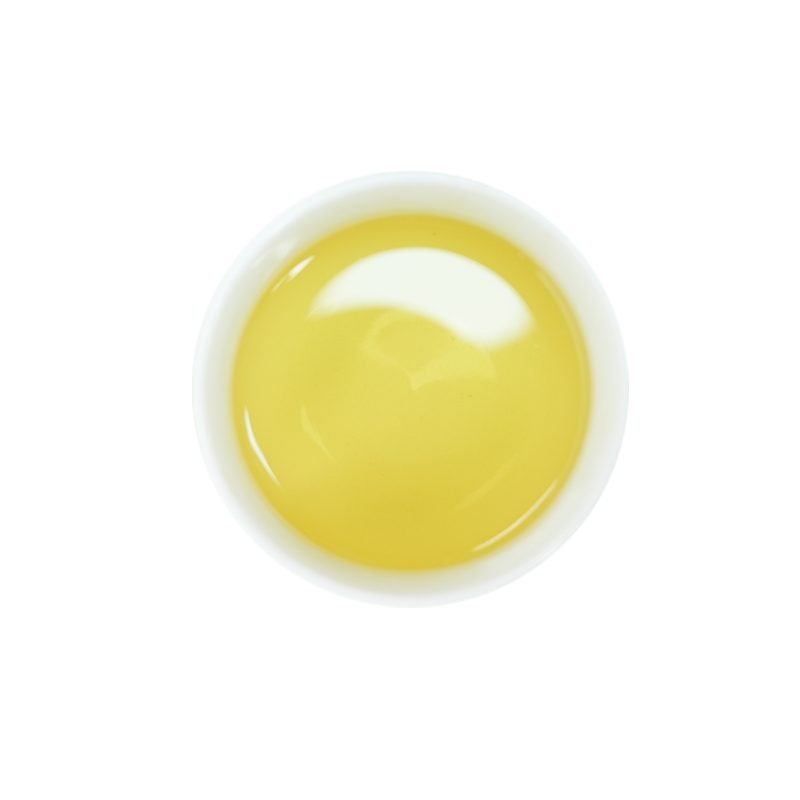
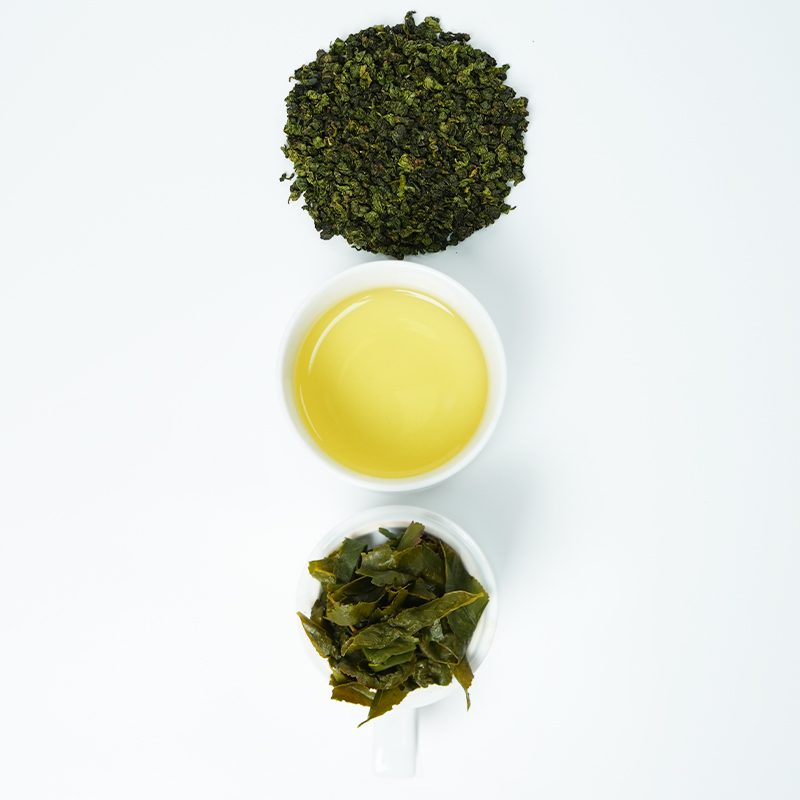
A partially oxidised oolong from Fujian — China's most celebrated oolong-growing region. Complex and layered, with floral top notes and a smooth, lingering finish. Suited to premium tea service and multiple infusions.
About Oolong Tea
Oolong is the most commercially sophisticated tea category to serve — and the most rewarding when it lands correctly. Partially oxidised between green and black, it combines floral freshness with warm roasted depth, and changes character across multiple infusions in a way no other tea does. Our Fujian oolong is medium-roasted, with stone fruit and caramel in the base and a floral opening that makes the first infusion taste meaningfully different from the fourth.
Multi-Infusion as a Commercial Strategy
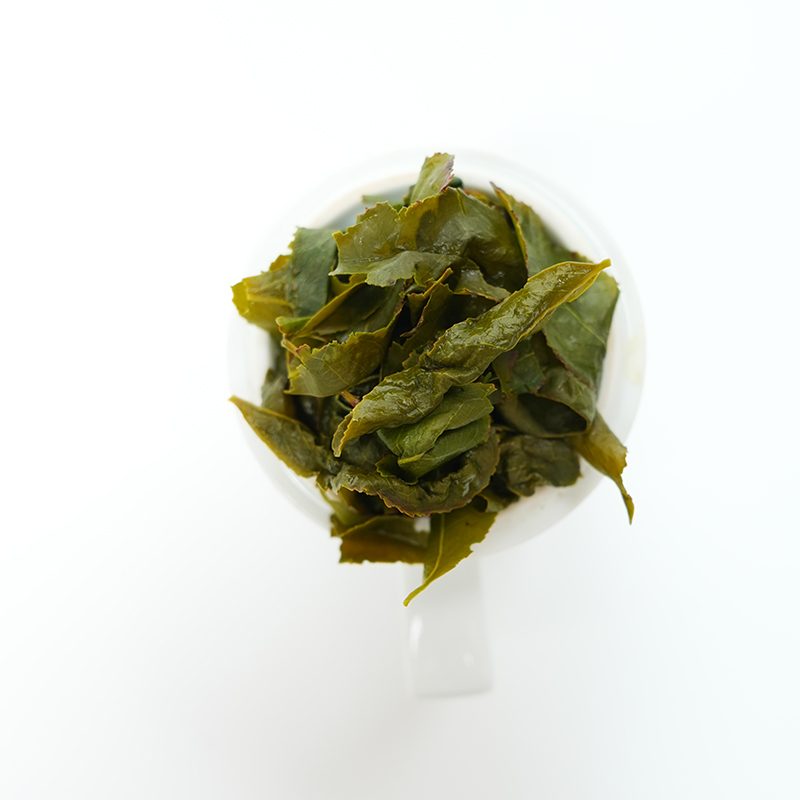
Oolong's most commercially significant feature is not its flavour — it is the fact that one serving of leaves produces four to five cups of tea, each different from the last. This is the gong fu approach: short steeps that reveal different dimensions of the leaf progressively. For fine dining and specialty cafes, this creates table theatre. For operations focused on unit economics, it means charging a premium for an experience that teabags structurally cannot provide. The leaves do the work; the story sells it.
The Oxidation Spectrum
Oolong's 15–85% oxidation range is not a technicality — it determines everything about the flavour. Our medium-roasted Fujian oolong sits around 50%, producing the most accessible profile in the category: enough freshness to stay light, enough roast to give it body. This profile works in a glass pot at the table, holds warmth in ceramic and pairs naturally with food without competing. For menus that include Chinese or Asian cuisine, the pairing logic is immediate and requires no explanation.
The Guest Experience Oolong Creates
No other tea on a menu generates tableside conversation like oolong served gong fu style. Guests who have never brewed tea this way will ask about it; experienced tea drinkers recognise the approach immediately. Either way, the product creates engagement that justifies a higher menu price. Offering oolong gong fu service positions the tea programme at the level of a wine service — something staff can explain with visible knowledge and theatre. That signal is worth more than most additions to a drinks menu.